


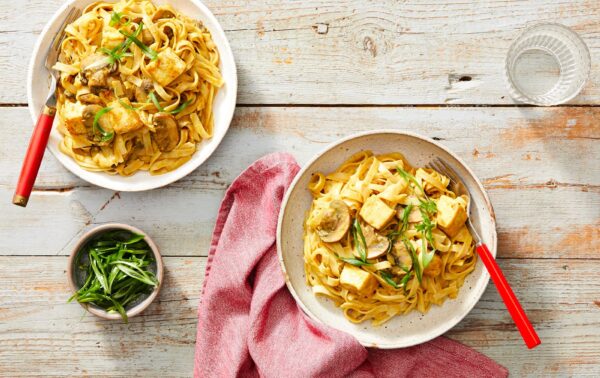
Get Bready for International Bread Day
Unfortunately, most Aussies don’t eat enough whole grains! So, to help you get your bread in and celebrate International Bread Day (one of our favourite days!), we’re rounding up six…
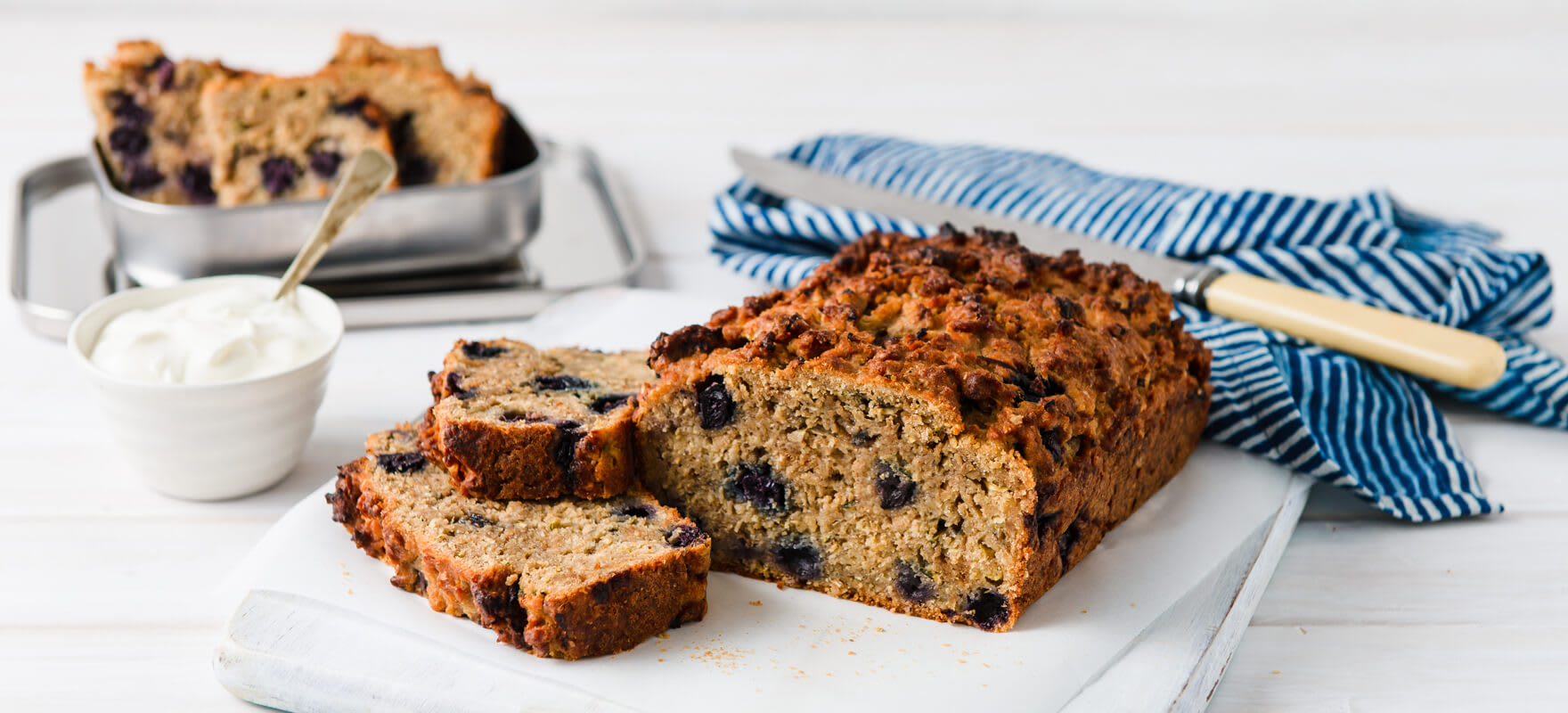
Unfortunately, most Aussies don’t eat enough whole grains! So, to help you get your bread in and celebrate International Bread Day (one of our favourite days!), we’re rounding up six…

By Theresa Pham, GLNC Nutrition Manager Food based dietary guidelines provide evidence-based practical and actionable recommendations that aim to influence and improve dietary patterns and behaviours.1 The classification of specific…
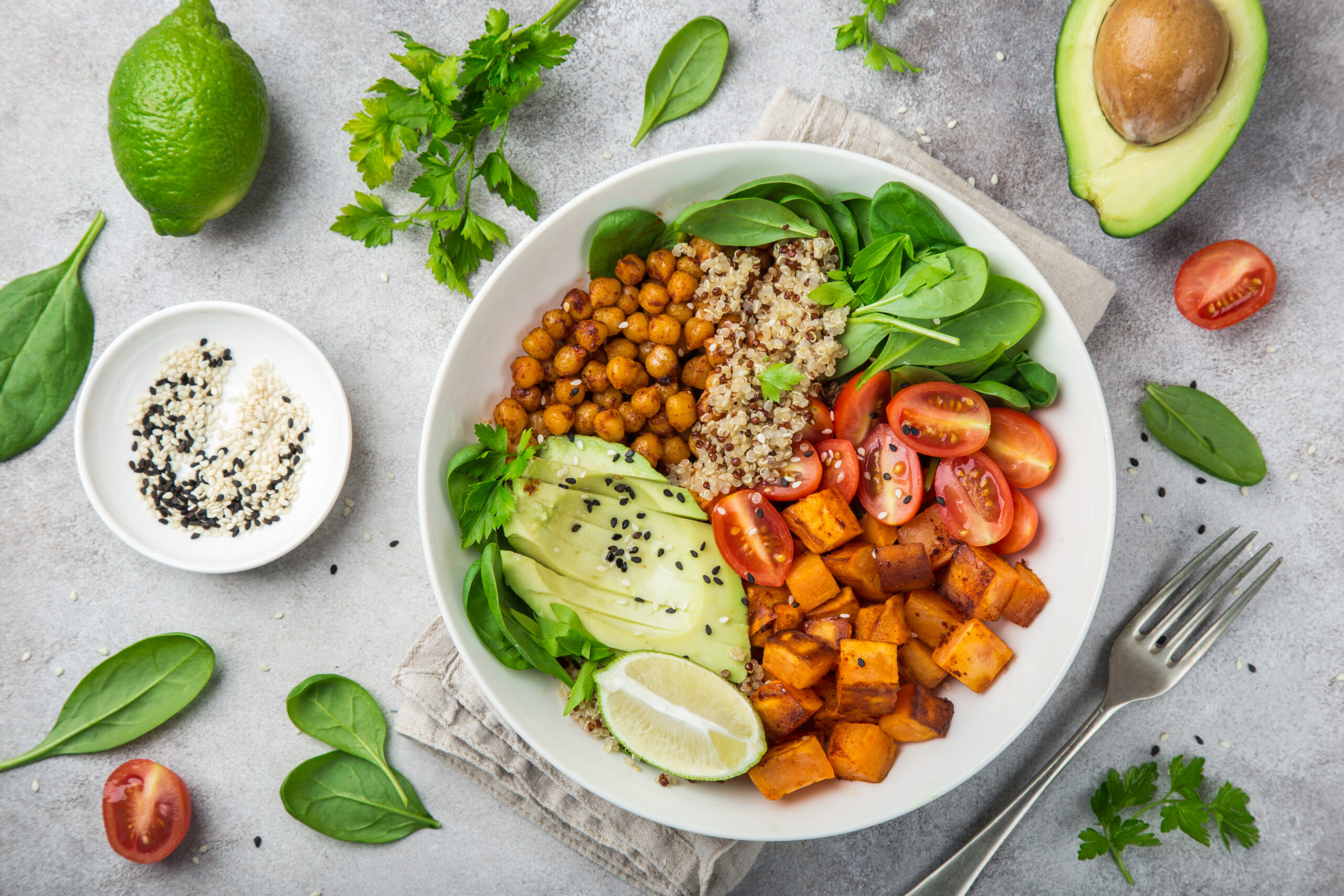
Whole grains provide more than 26 powerful nutrients and compounds crucial for maintaining health at any age. From supporting development in young children to reducing the risk of chronic diseases,…
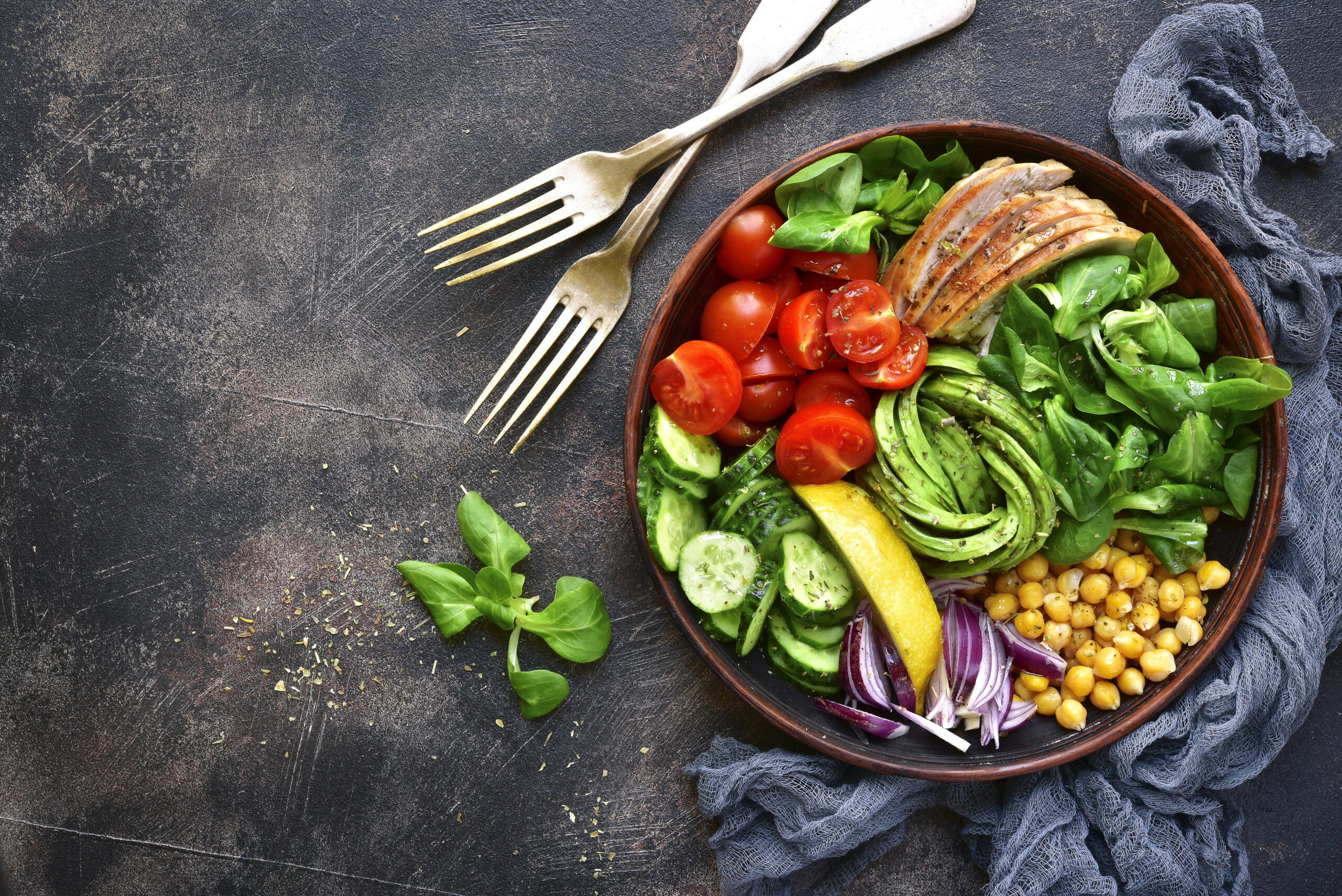
Dietary Fibre is the indigestible part of plant foods that are resistant to digestion and absorption in the small intestine1. Dietary fibre promotes beneficial physiological effects such as laxation, reduction…
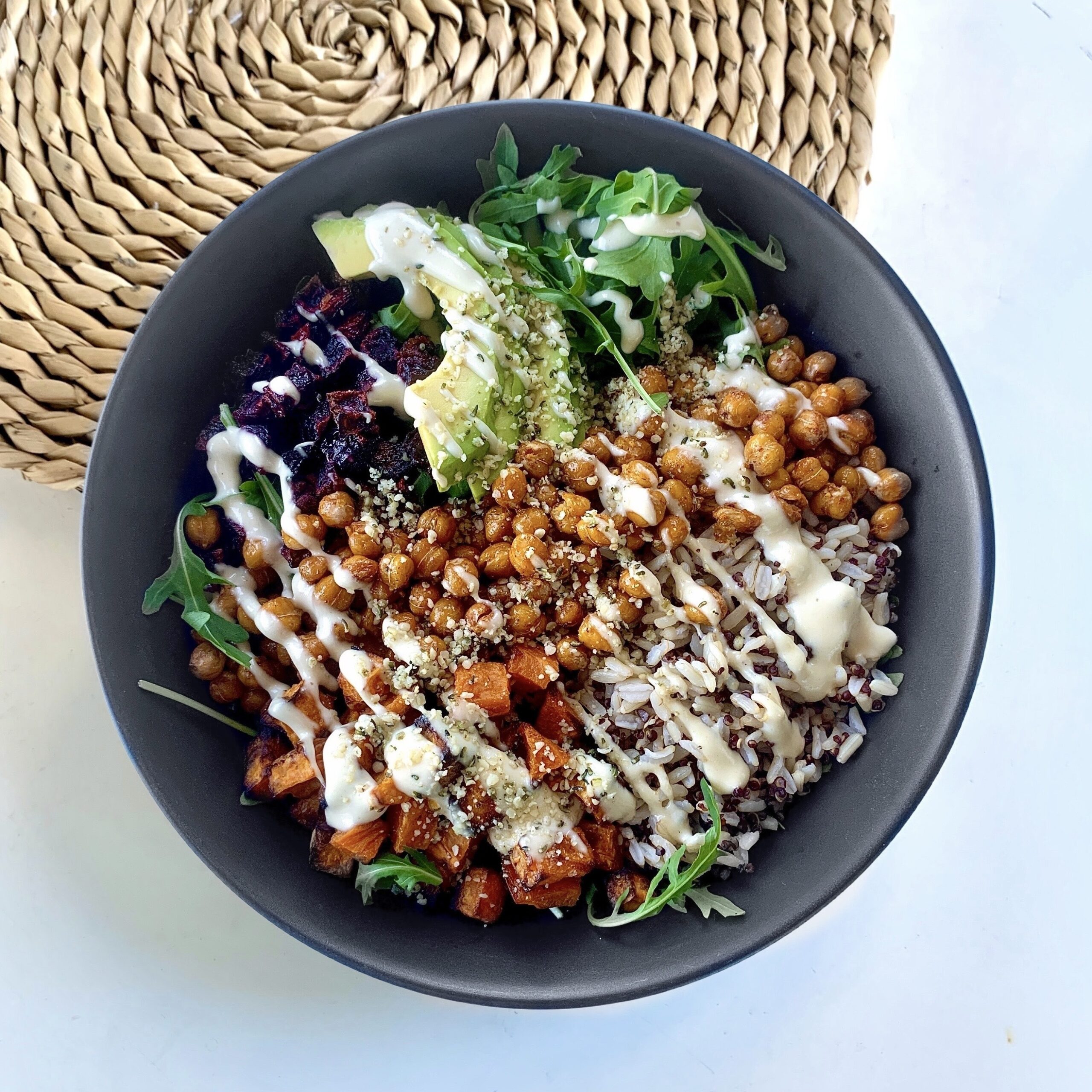
Why should you eat more plant proteins? There are several reasons why people should consider adding more plant-based proteins to their diet: Overall, adding more plant-based proteins to your diet…

There is no excerpt because this is a protected post.
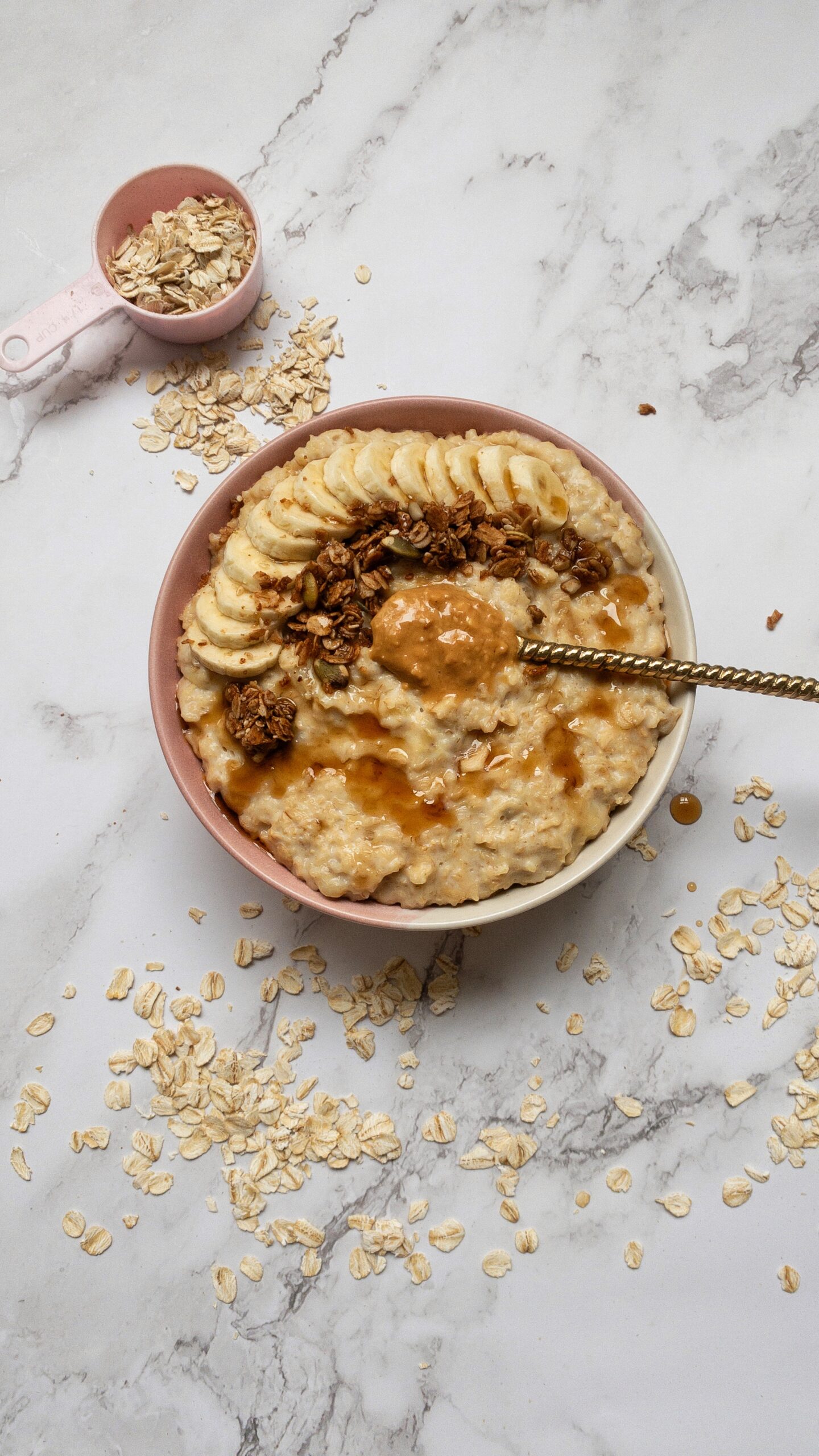
What is a wholegrain? A ‘whole grain’ refers to an intact grain. It must contain all three components of a grain – the bran layer, endosperm, and germ. Each component…
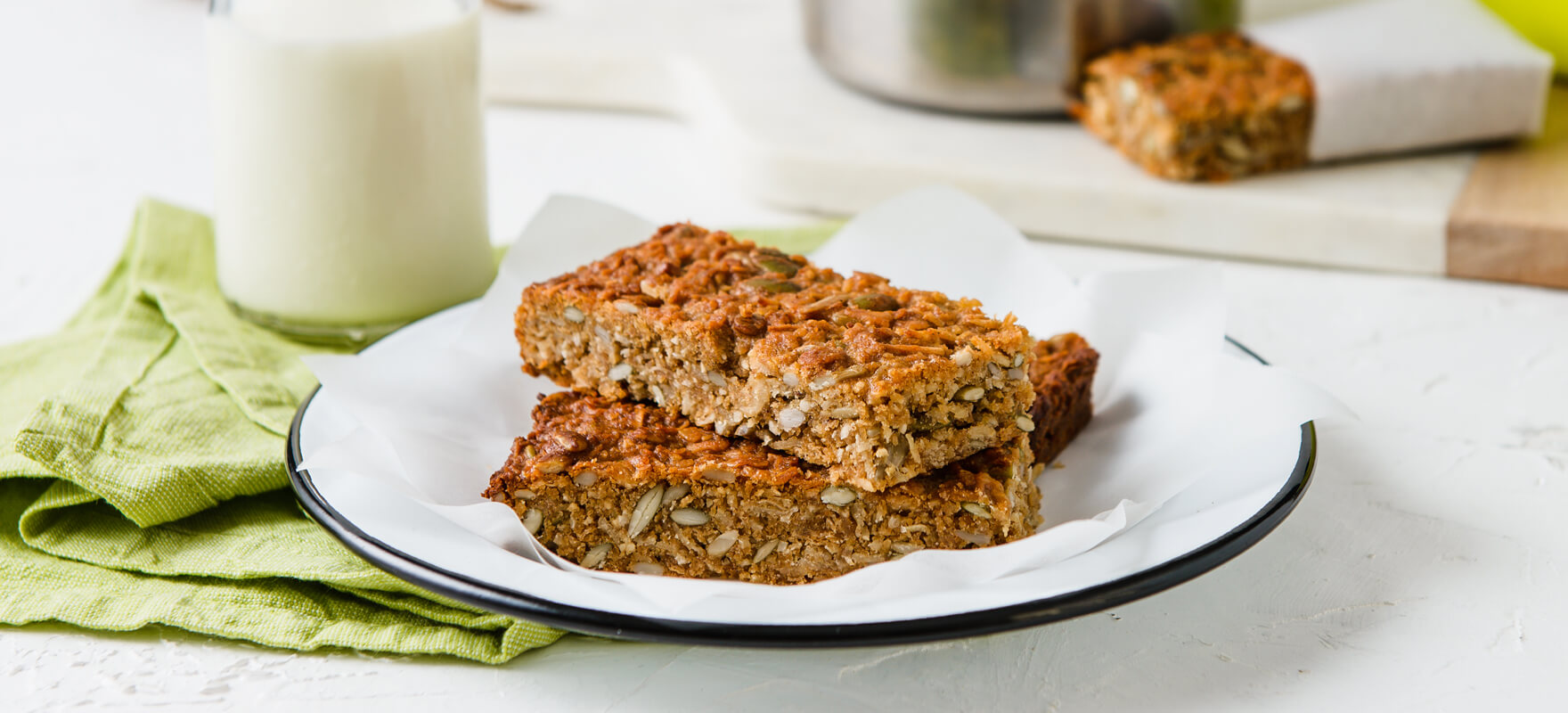
Check out these delicious bar recipes for your kid’s lunchbox! They’re so easy to make, and the perfect chance to get the kids involved in the kitchen. Make sure they’re…

Incorporating at least 3 serves of whole grain rich carbohydrate foods a day can help in the prevention and better management of type 2 diabetes. Let’s get that first serve…
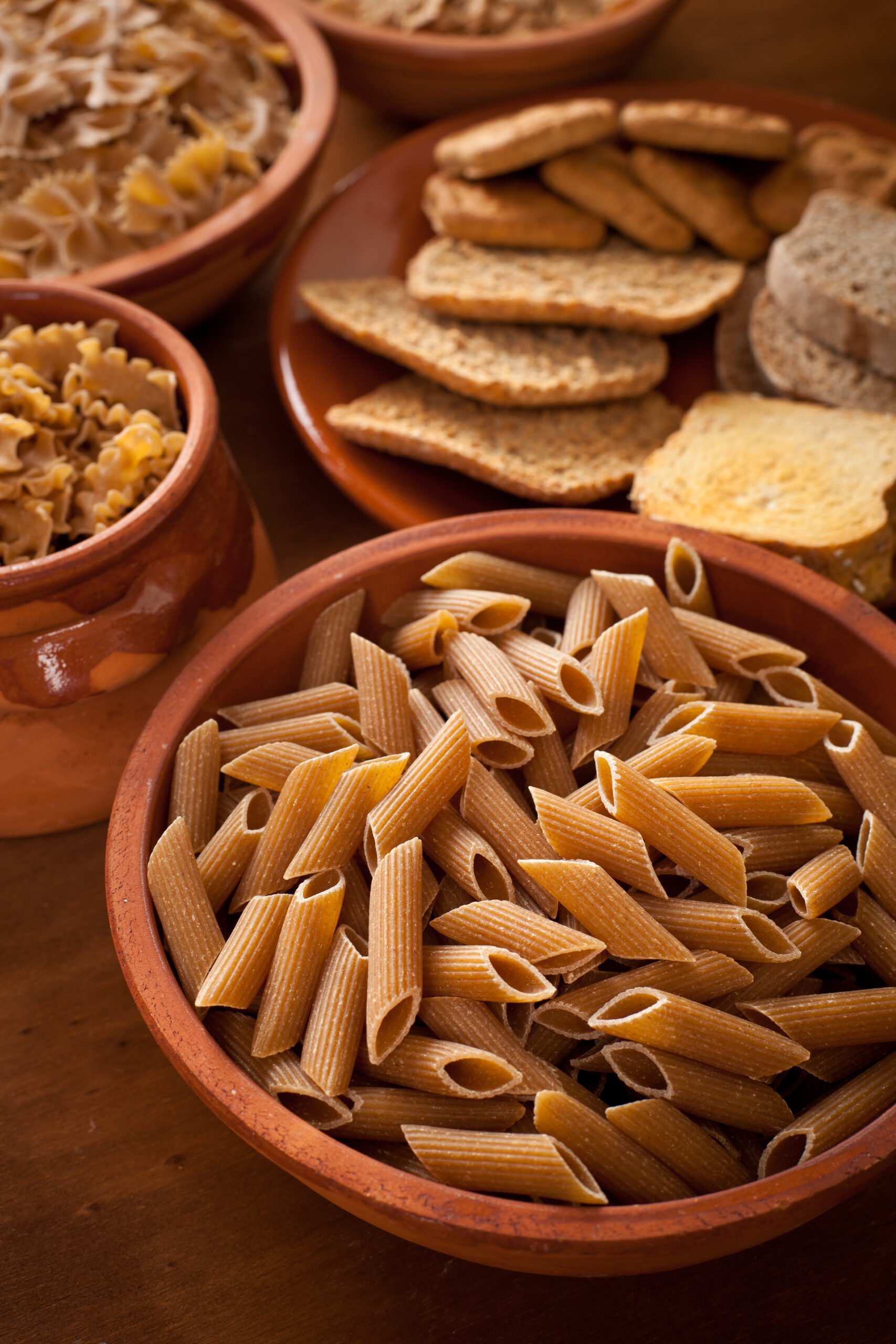
NOVA is a food-classification system based on four levels of processing, from minimally processed to ultra-processed foods (UPFs). Whole-grain-containing commercial breads and ready-to-eat breakfast cereals are considered ultra-processed within NOVA,…
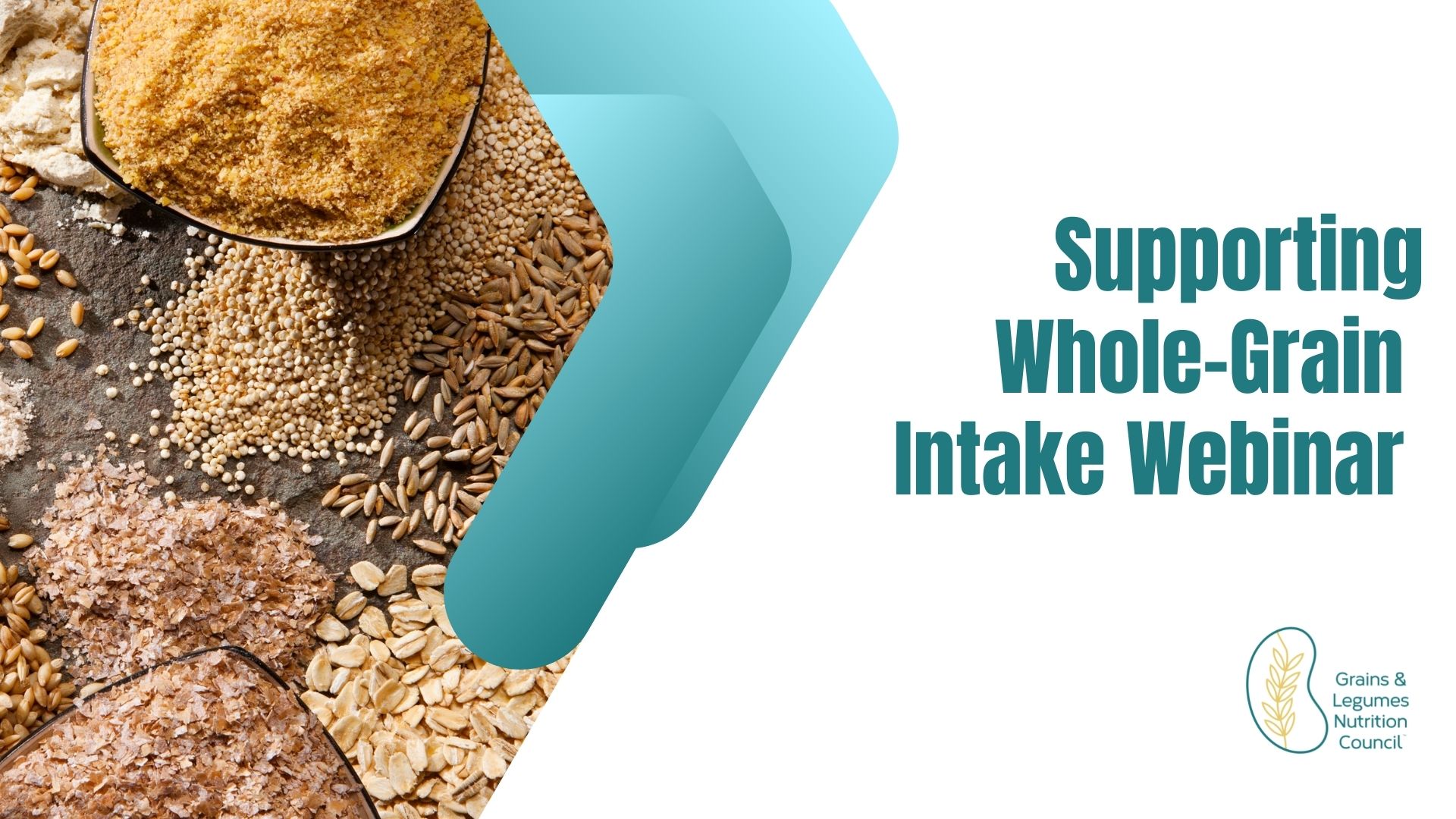
Seeking consistency with our messaging Most Australians, like many others in our modern world, do not consume sufficient whole-grain foods to support optimum health. Dietary Guidelines around the world include…
Date: 4/05/2022PRESS RELEASEFor Immediate Release New research published by the Grains & Legumes Nutrition Council (GLNC) has delved into consumers understanding of the Australian Dietary Guidelines (ADG), with recommendations for…

by Genevieve Milesi, Accredited Practising Dietitian Anti-inflammatory foods and diets are buzz words all over blogs, social media, and wellbeing circles, however when we break it down, how do foods, or…
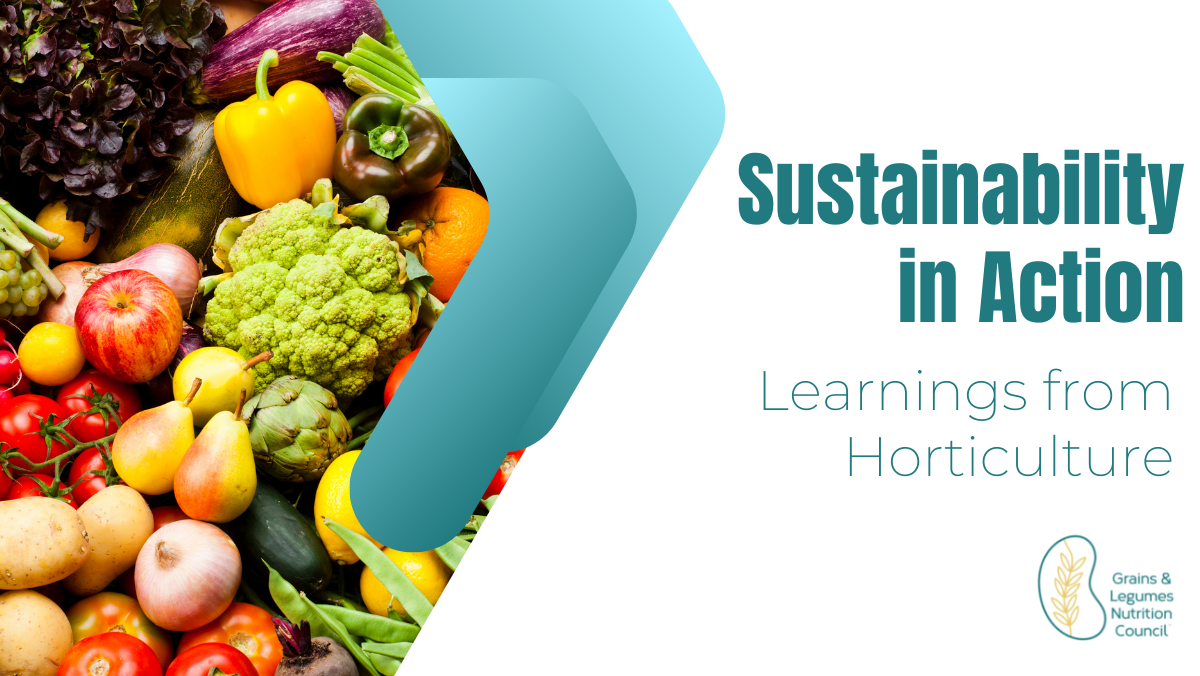
Join Gilad Sadan, Managing Director of N.A.V.I. Co (Network, Advice, Value, Innovation) based in Melbourne Australia. N.A.V.I Co. Global specialises in the Fresh Produce sector. Working with Growers and Marketers…

The pandemic, economic fluctuations, and local and global events in 2020-21 have caused consumers to form new behaviours, attitudes and values. Mintel’s 2022 Global Consumer Trends recognise these shifts and…
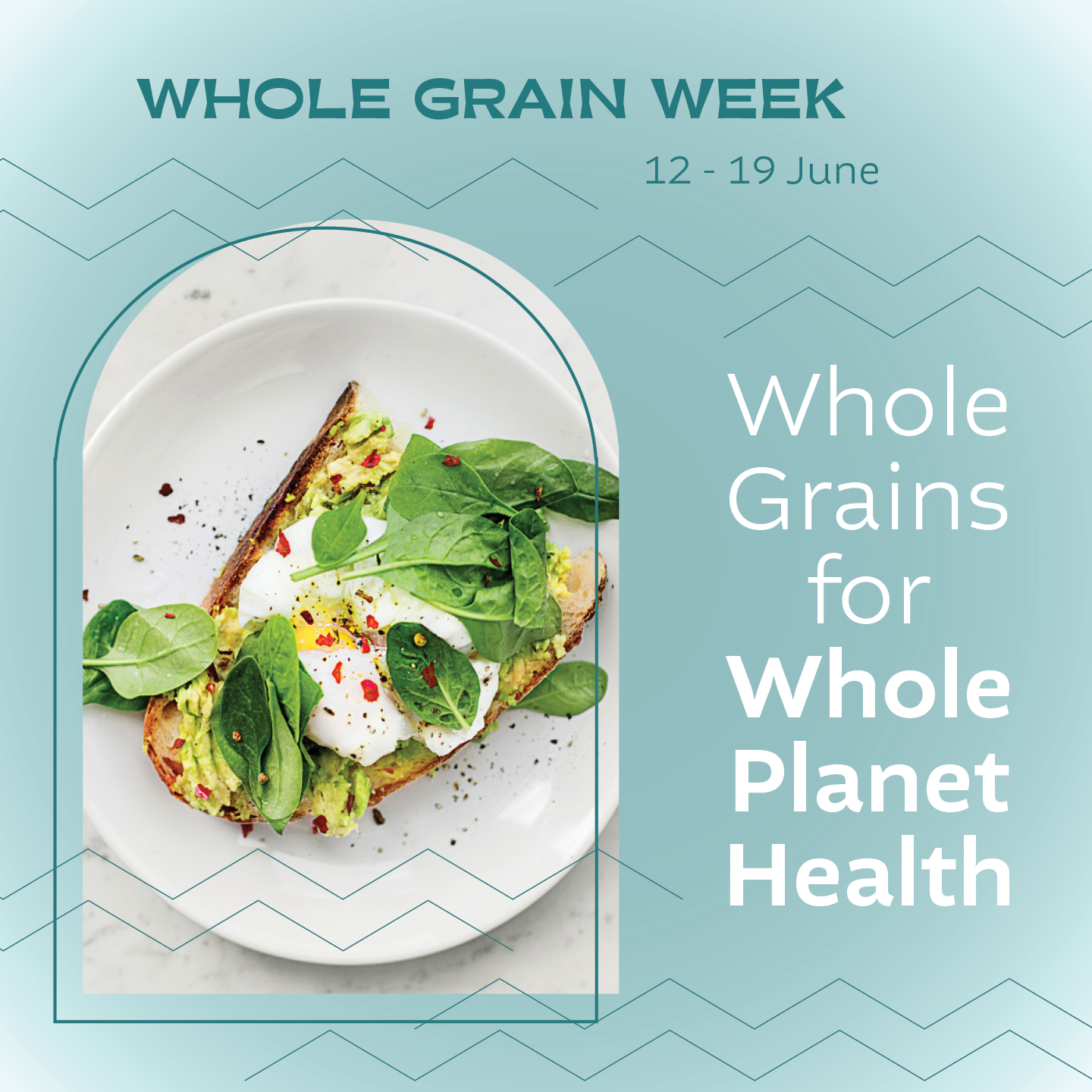
Current global dietary trends are having detrimental impacts on both the environment and human health1.
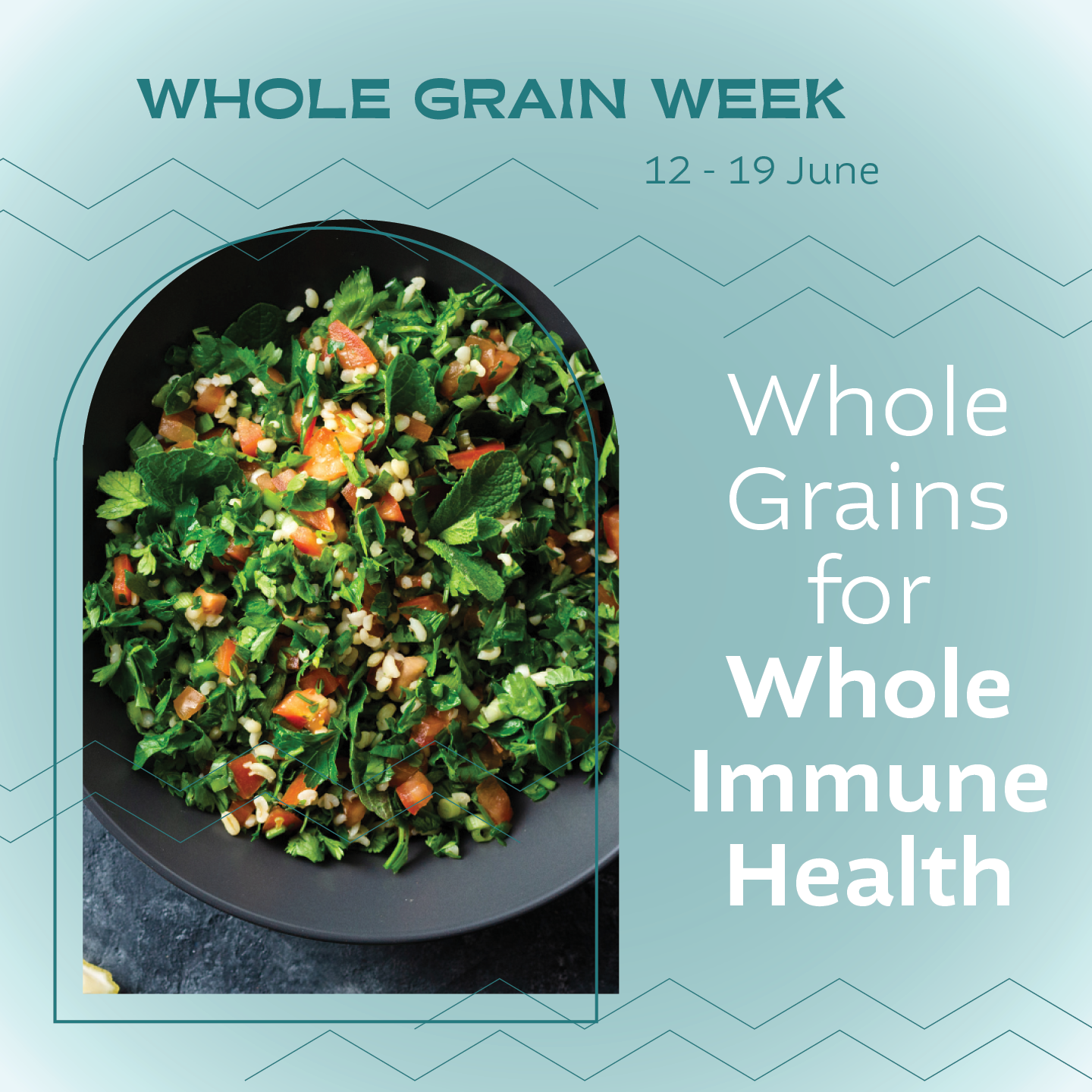
As we enter the winter months, supporting our immune system to guard against common infections like colds and the flu becomes more important to us all.