



Nutrient Composition of Grains
The table below lists some of the key nutrients that grains/legumes contain and the proportion contribution to the Recommended Dietary Intakes (RDI) for each.

The table below lists some of the key nutrients that grains/legumes contain and the proportion contribution to the Recommended Dietary Intakes (RDI) for each.

Whole grain foods are rich in nutrients, dietary fibre, a range of antioxidants, and phytochemicals, and may have potential to act in an anti-inflammatory manner, which could help impact chronic…
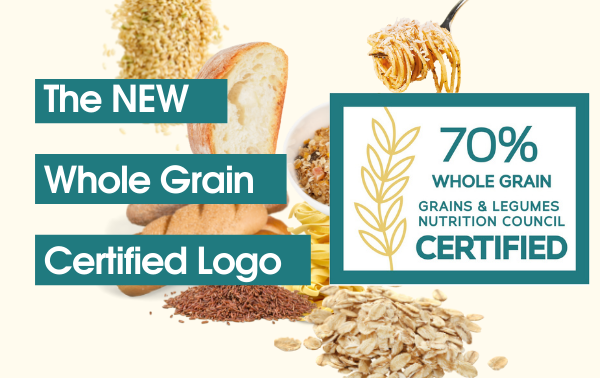
It’s no secret that making the swap to whole grain may be one of the easiest and most beneficial dietary changes we can make. Packed with over 25 different essential…
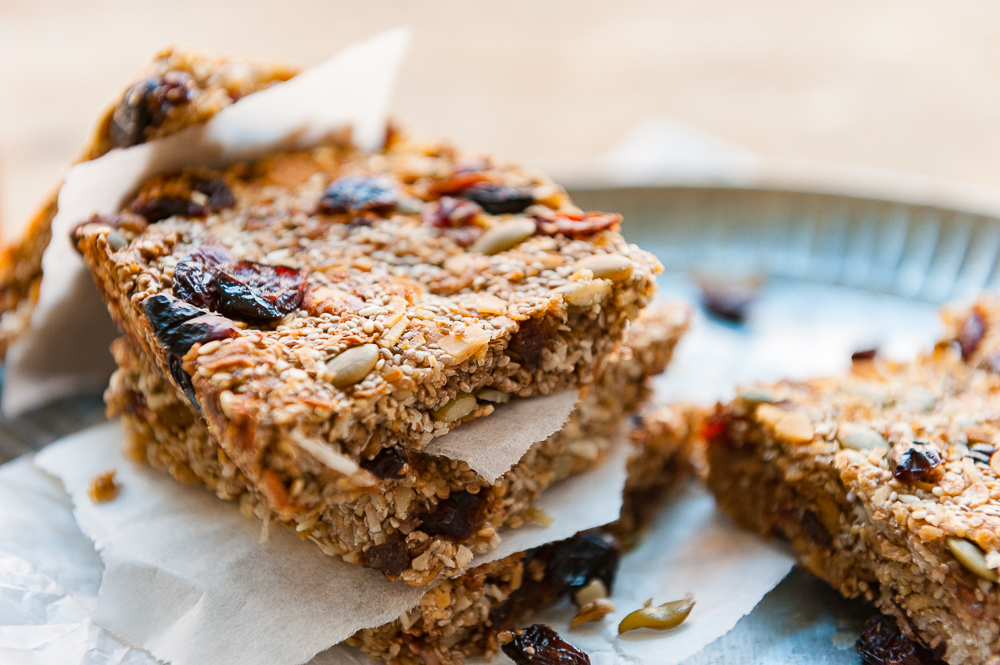
Trying to get the kids ready for school? Got a 7am meeting? Or maybe, you just hit snooze too many times. Don’t start your day hungry, even if you’re in…

By student dietitian Genevieve Milesi Is there truly anything greater than sliced bread? Bread is a nutritious staple of almost every household worldwide in various forms. However, are we eating…
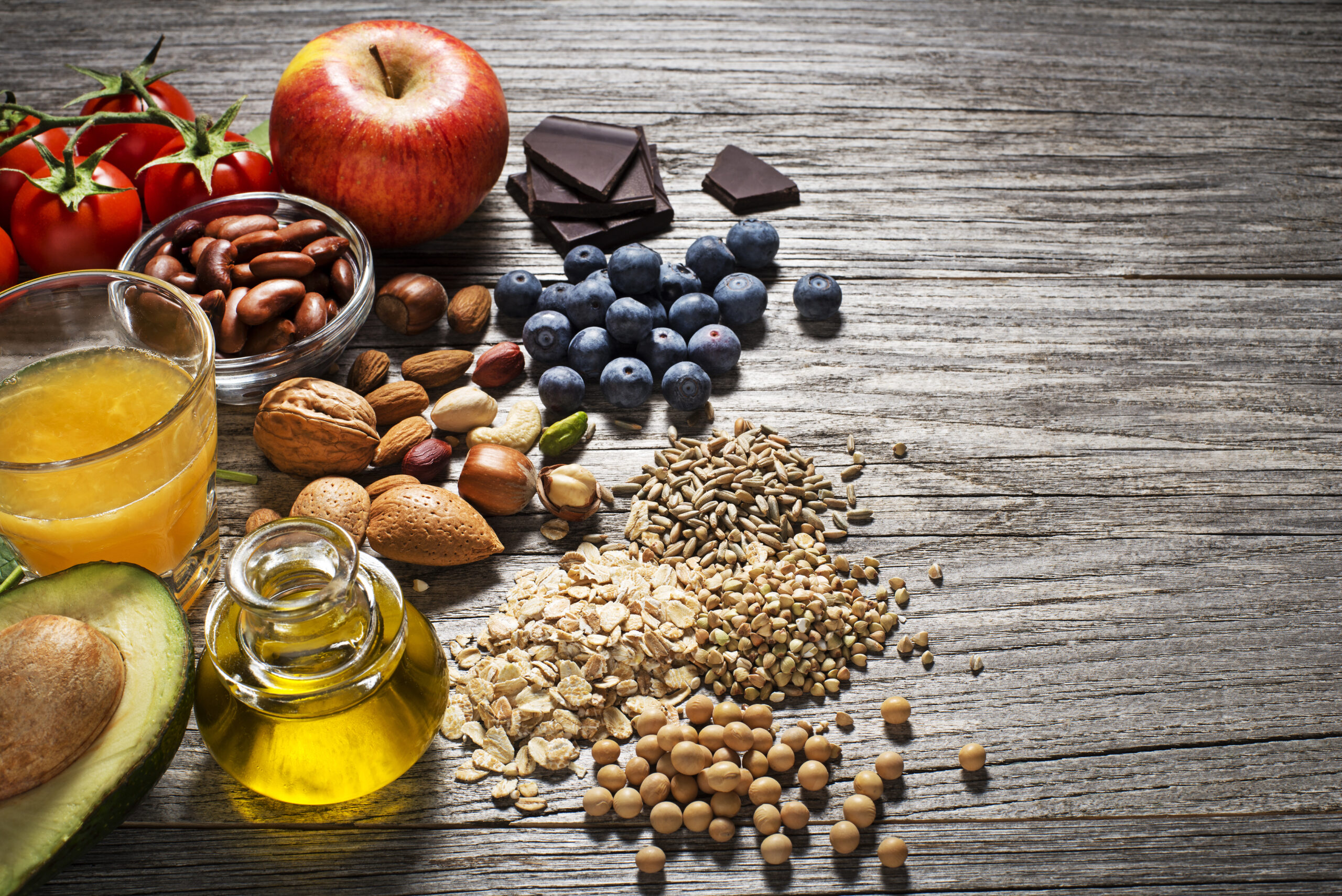
Whole grain consumption has been associated with the reduced risk of several chronic diseases with significant healthcare monetary burden, including cancer. Colorectal cancer (CRC) is one of the most common…
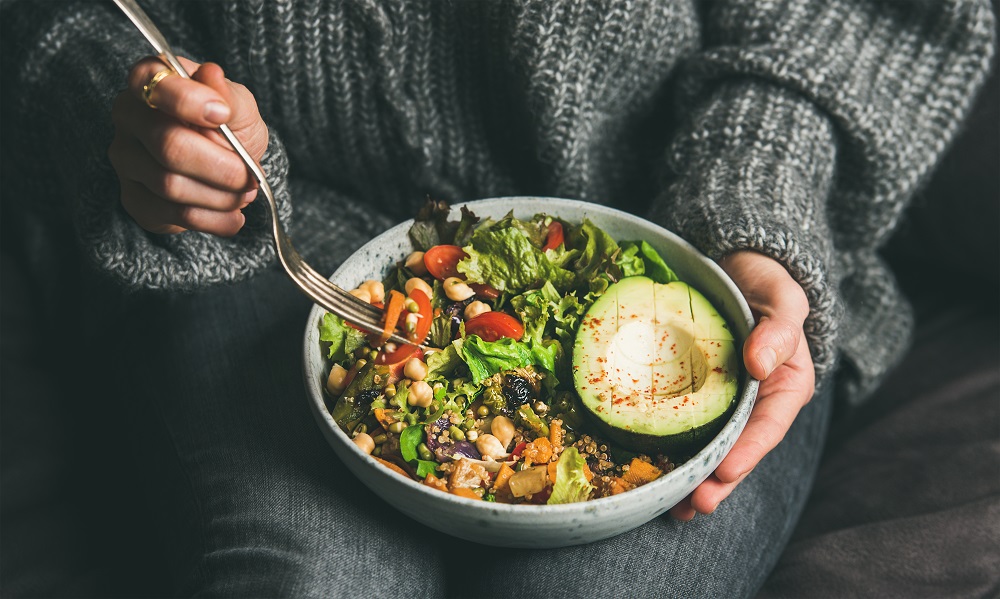
By Jaimee Hughes, Accredited Practising Dietitian ‘Plant protein’ and ‘plant-based’ are two of the biggest buzzwords in food and nutrition circles and for good reason! With Australia’s meat consumption almost…

Beta glucan is a type of soluble dietary fibre found in oats and barley with known cholesterol-lowering benefits. Many countries globally have an approved beta glucan health claim related to…
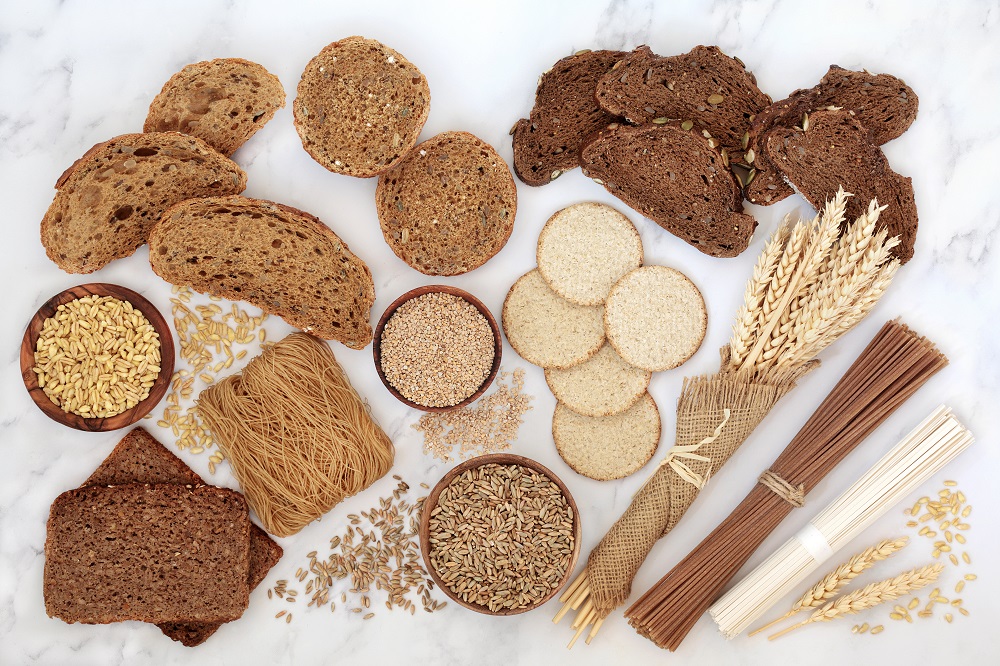
Our latest paper published in the journal Nutrients reveals first-of-its-kind research, with big savings in the prevention of heart disease and type 2 diabetes – simply by getting Australians to…
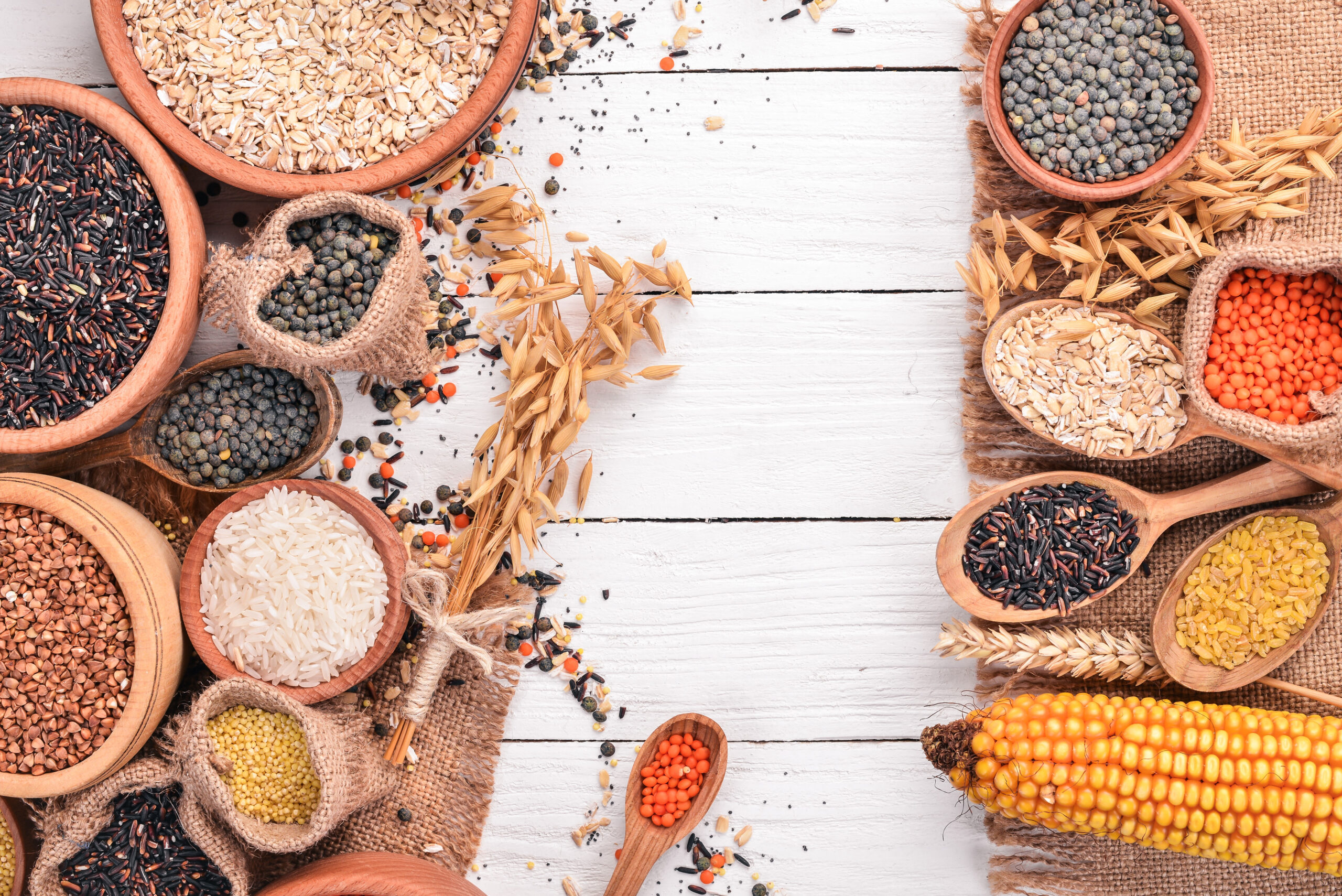
Many dietary guidelines emphasise “mostly” whole grain food choices as part of an overall healthy eating pattern based on evidence for enhancing nutritional status and reducing chronic disease. Still, countries…
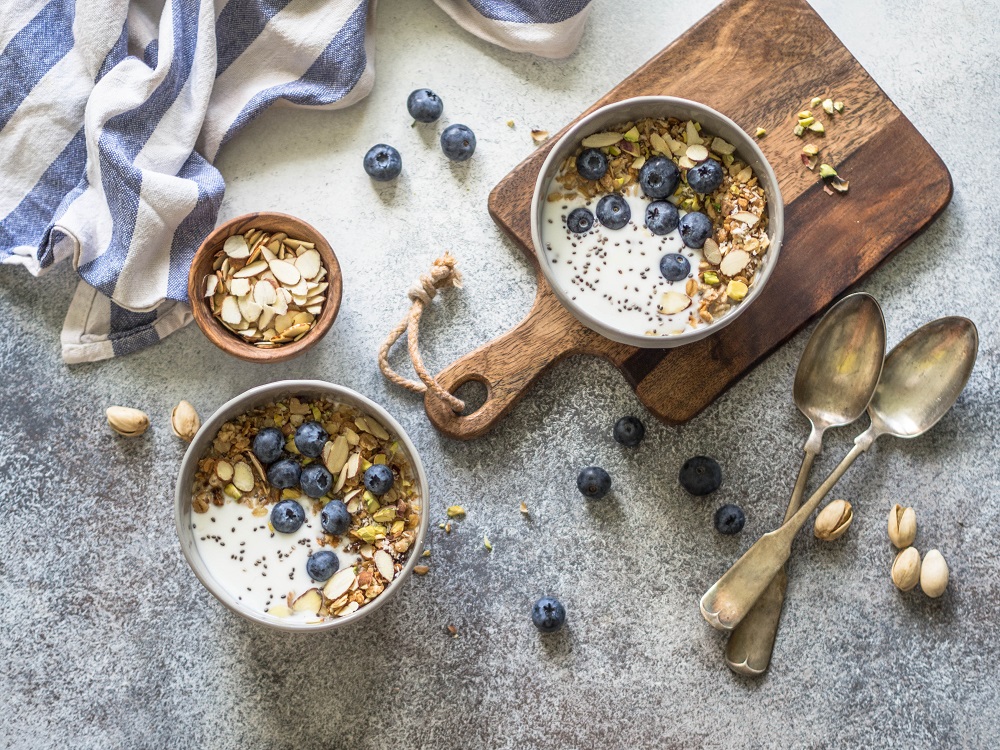
We’ve just published our latest paper on the changing breakfast cereal aisle, examining how nutrition and claims are shifting – read more here.
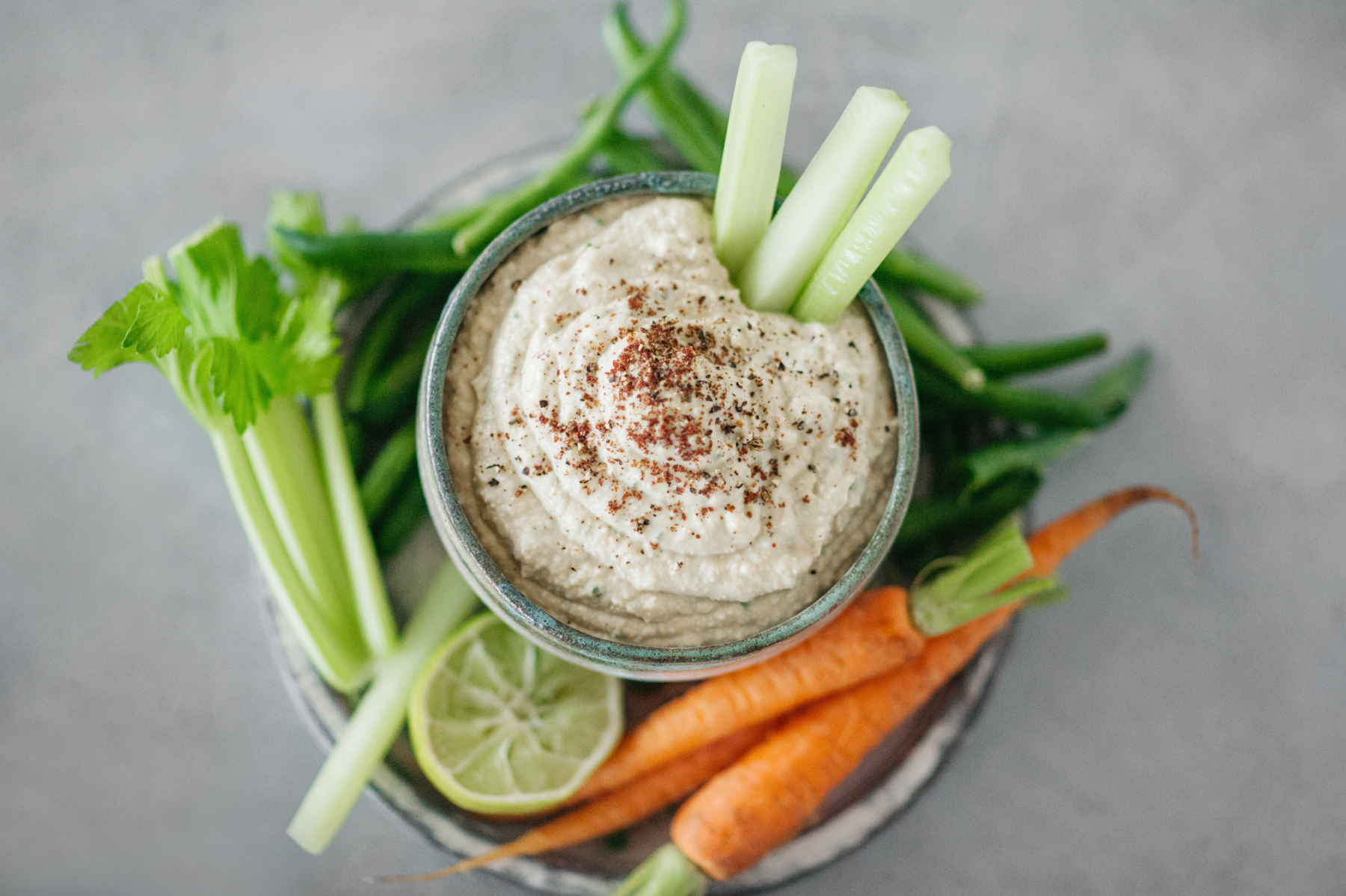
To celebrate the humble pulse this World Pulses Day we’ve put together a list of our favourite ways to use beans, peas and lentils… 1. Summer smoothies for breakfast: A…

Make sure they don’t come home with an empty lunchbox this new term with our mix and match lunchbox planner – choose a whole grain sandwich, wrap or roll and…
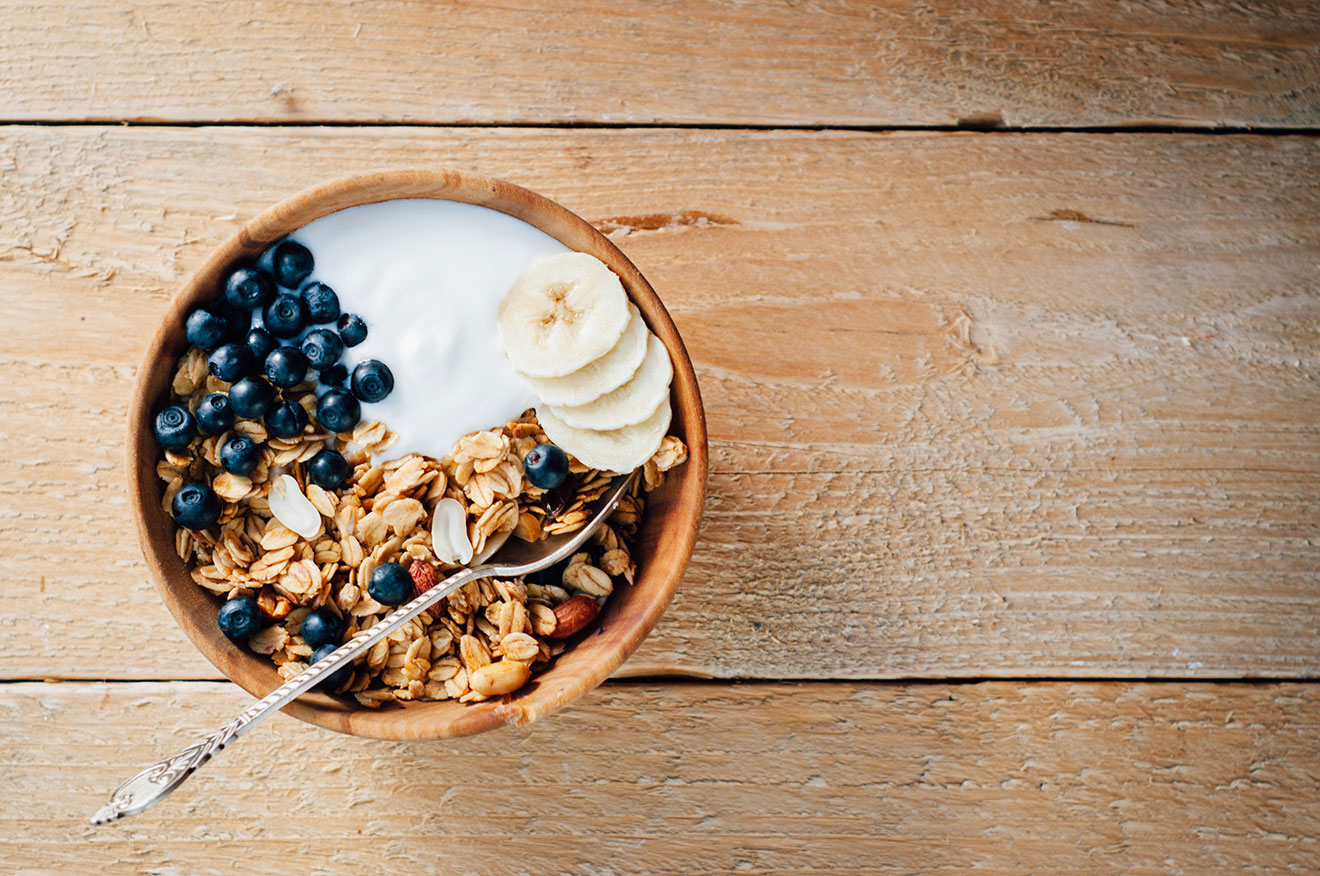
Breakfast cereal improves overall diet quality yet is under constant scrutiny with assertions that the category has not improved over time. This study aimed to comprehensively analyse the category of…

Sprouted foods have emerged as a major trend over the last few years and based on the steadily growing range of sprouted grain products on supermarket shelves in Australia, this…

By Jaimee Hughes, Accredited Practising Dietitian We all know that following a nutritious diet is good for our physical health, but did you know that what we choose to eat…
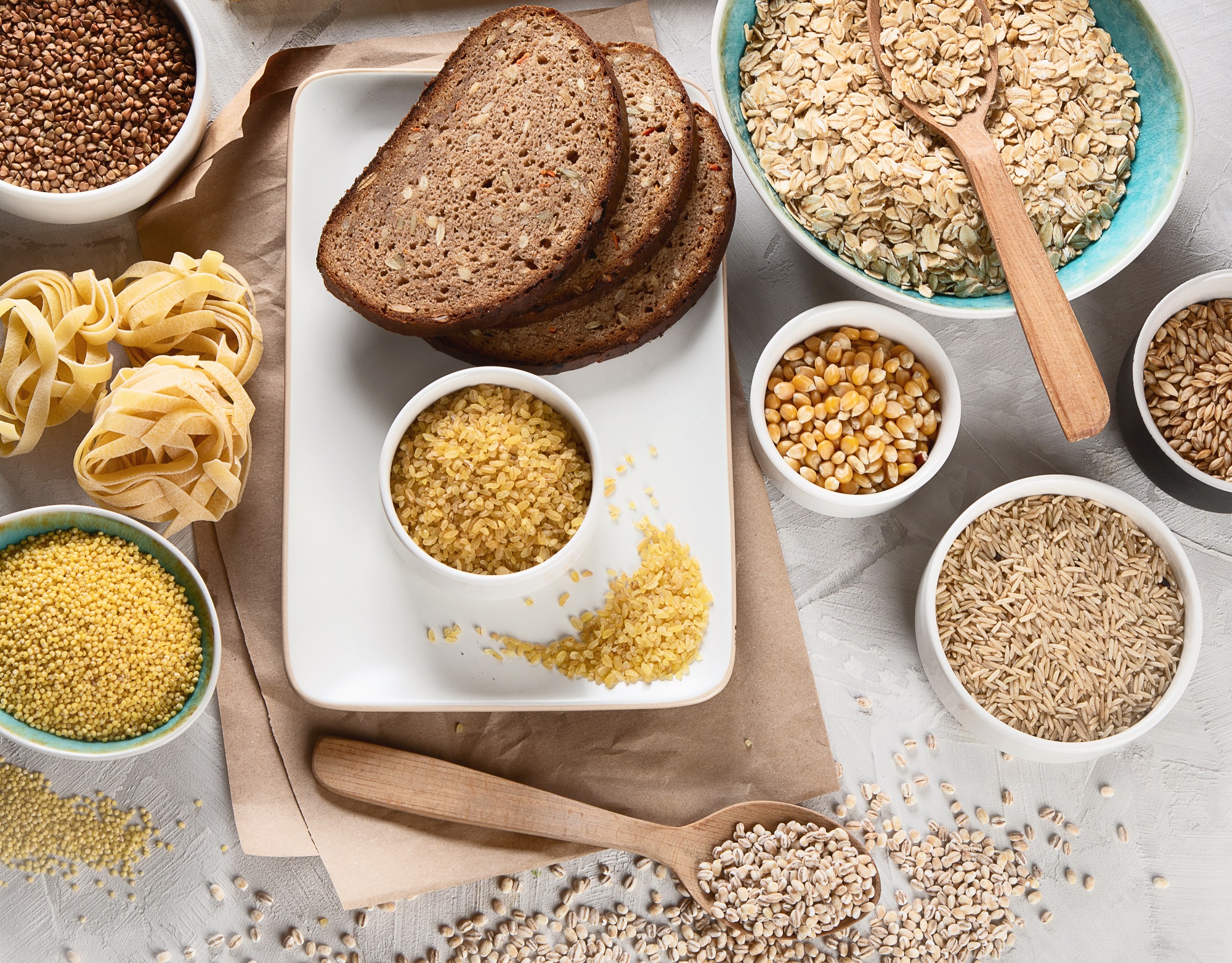
New Australian research collating evidence from 25 individual studies of 2,295 participants worldwide has found that increasing whole grain consumption may improve some risk factors for cardiovascular disease (CVD). Published…

Flour, typically derived from wheat, rye, corn and rice is a pantry staple, providing structure to bread and baked goods. This study aimed to provide a cross-sectional analysis of flour…