


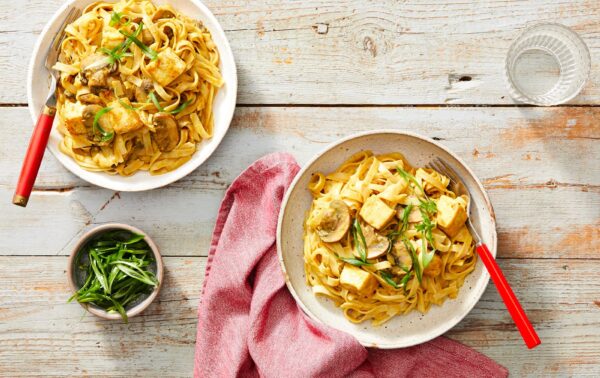
Amaranth
Amaranth is not a ‘true’ grain, but classified as a ‘pseudo-cereal’, as it’s not part of the Poaceae botanical family. However it is listed with other grains as its nutritional…
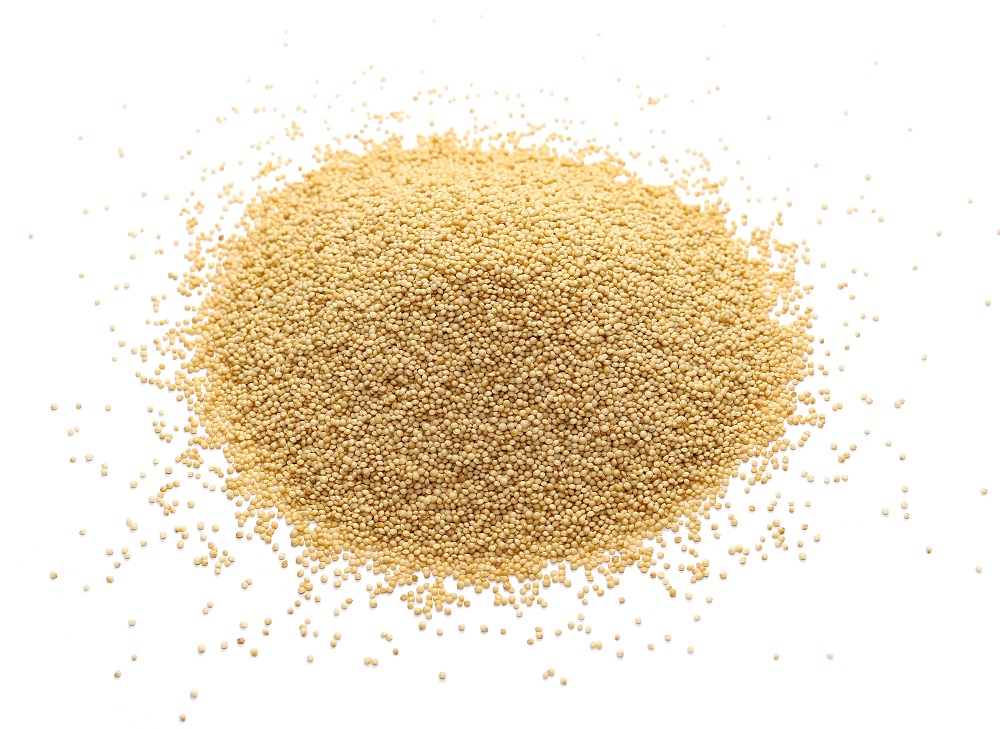
Amaranth is not a ‘true’ grain, but classified as a ‘pseudo-cereal’, as it’s not part of the Poaceae botanical family. However it is listed with other grains as its nutritional…
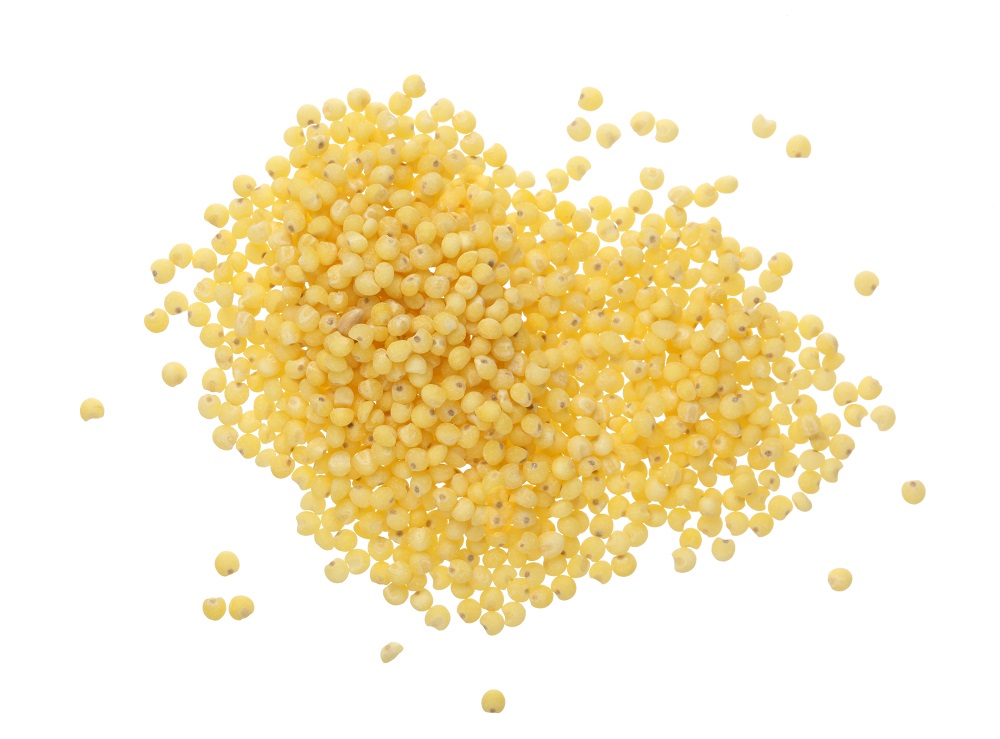
Before rice was widely consumed in Asia, it is thought that different varieties of millet were the staple grain in this region. For centuries it remained the leading grain. It…
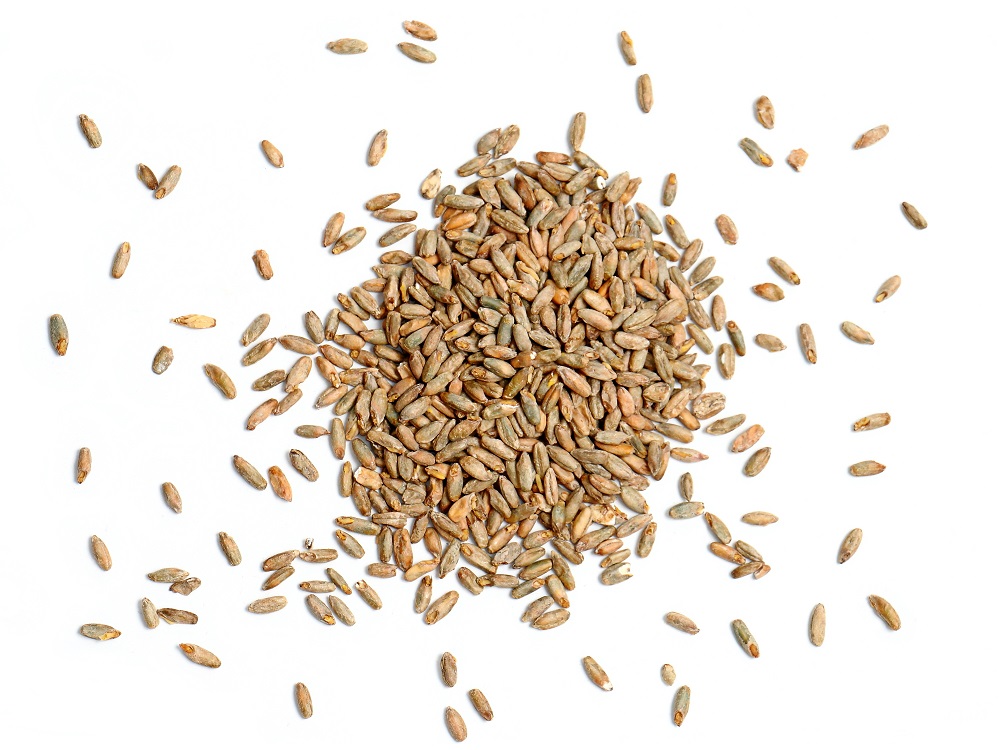
Rye came into cultivation later than wheat, barley and oats and was not known to the ancient Egyptians and Greeks. It was the main grain used for bread-making in Northern…
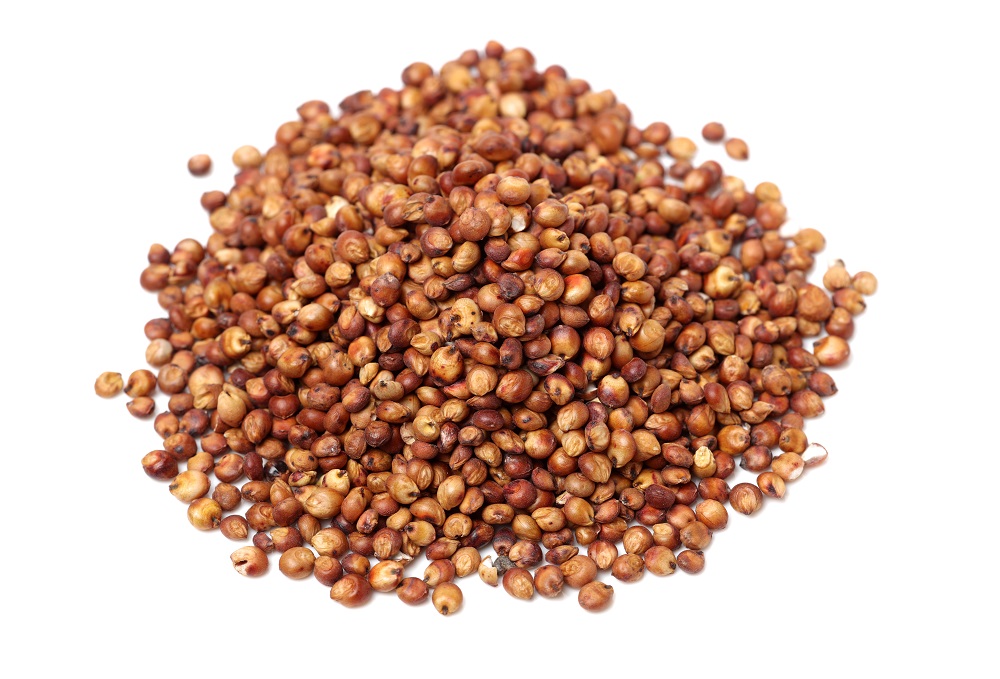
Sorghum is related to sugar cane and to millet and is called ‘Great Millet’ in some areas of West Africa. It is an important staple food of the upland, drier…
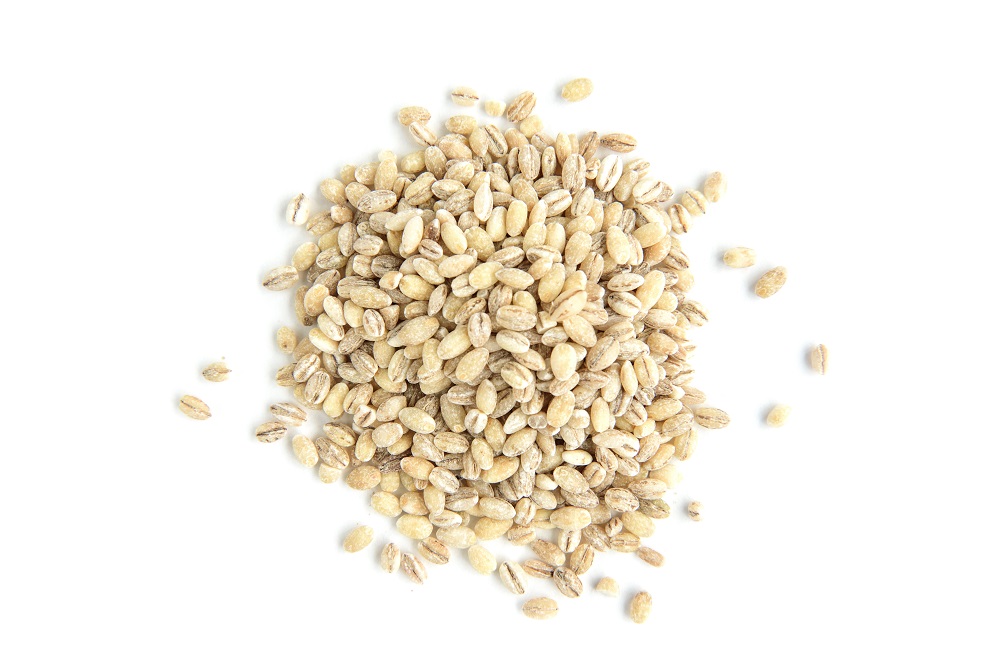
Barley is a cereal grain that was originally native to Asia. Barley was very important in ancient times and was one of the first grains to be widely cultivated. However,…
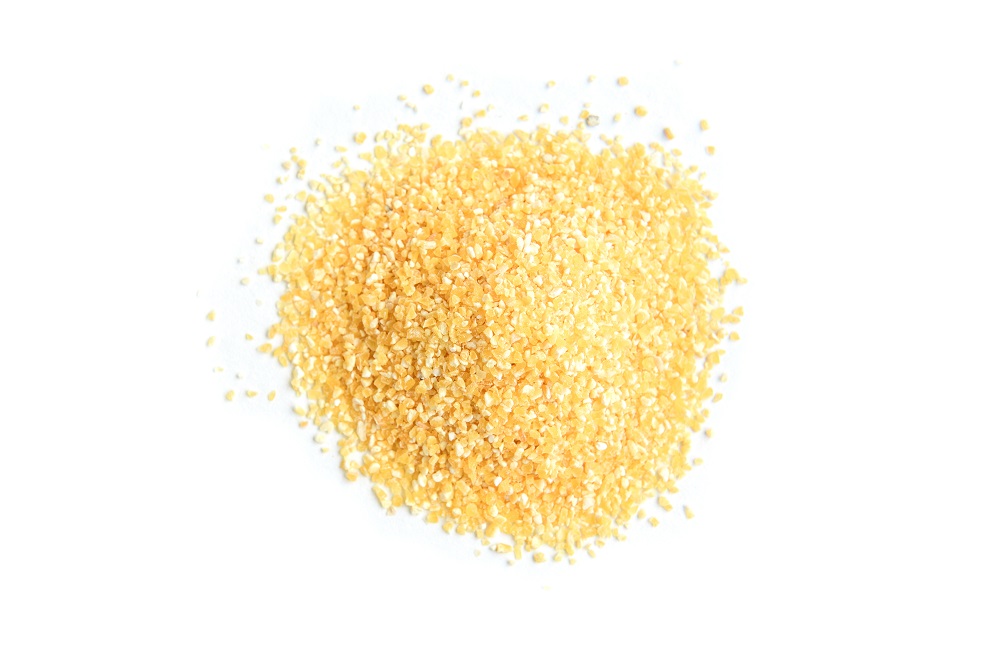
Corn (also known as maize), is one of the sweetest tasting grains. In its immature form it is the familiar yellow corn on the cob. When it matures and dries out…
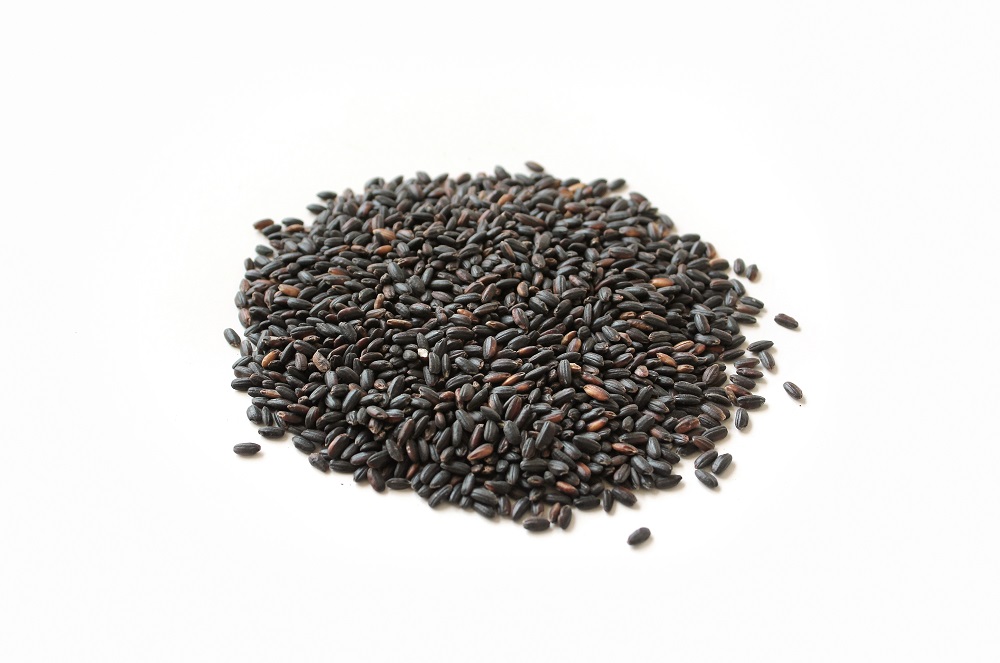
Rice is grown in over 100 countries and is a grain eaten by more people in the world than any other grain. In fact, three of the most populated regions…
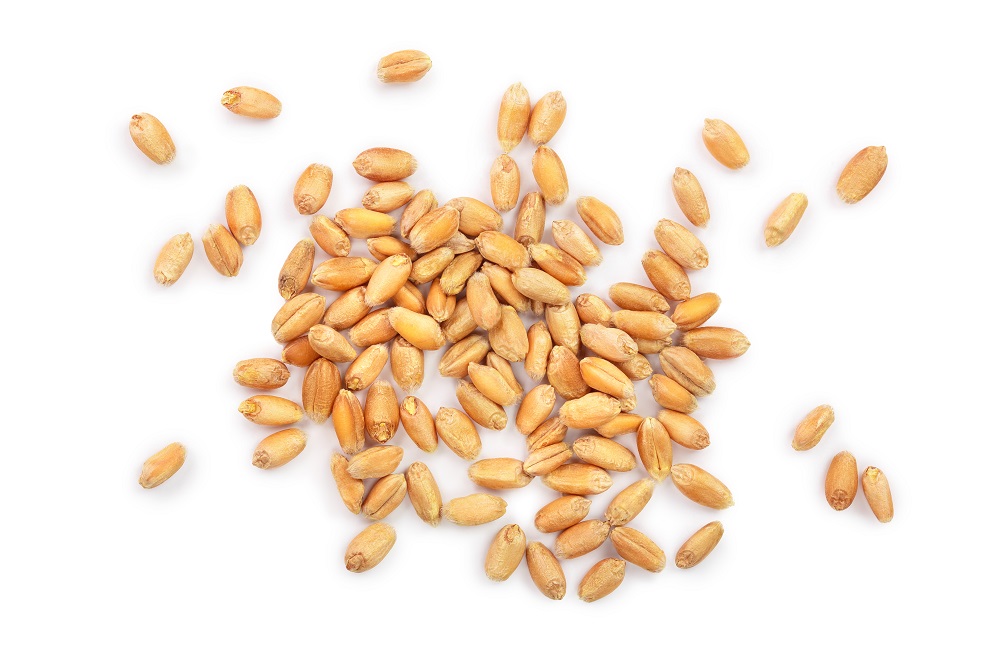
Wheat is the most widely cultivated cereal crop in the world, with Australia being the eighth largest producer and fourth largest exporter of wheat in the world. Wheat has come to…
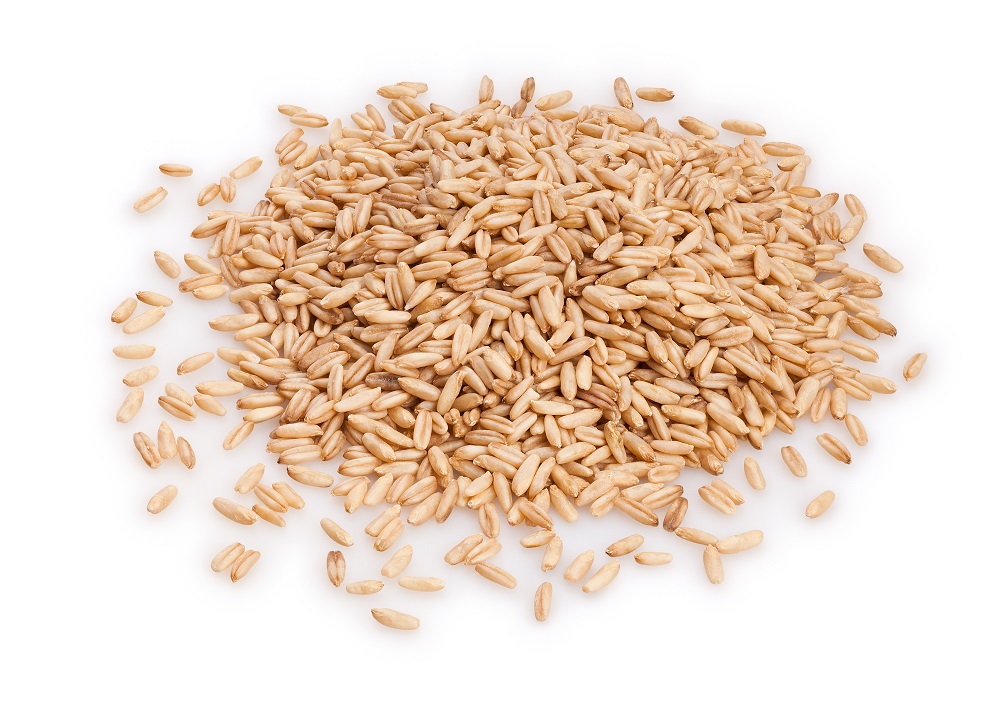
Oats are the fourth largest grain crop produced in Australia. Oats almost never have their bran and germ removed in processing so most food products containing ‘oats’, ‘oat flour’ or…
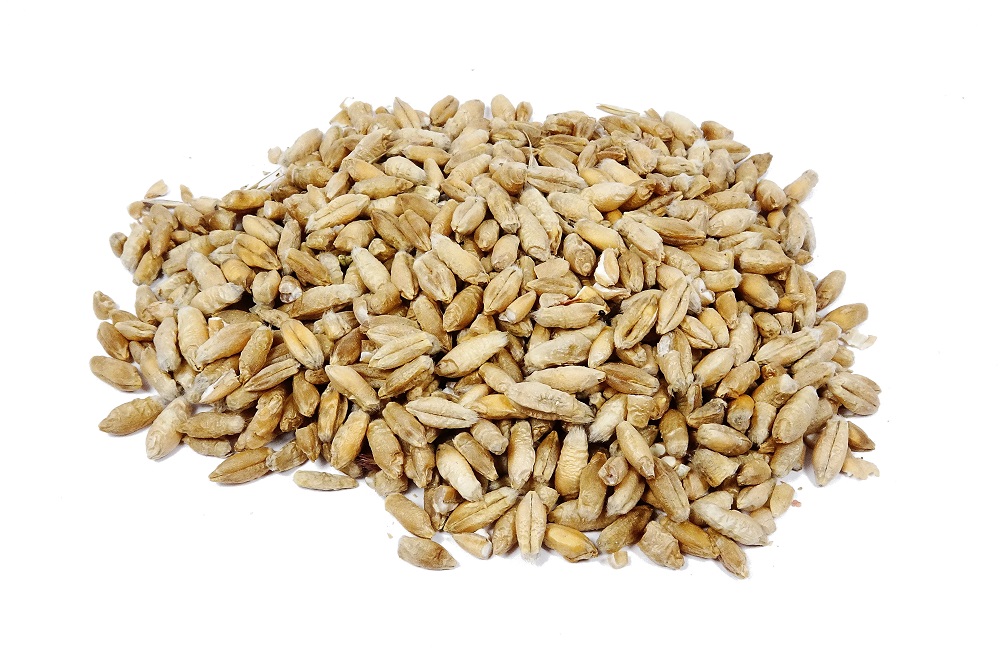
Triticale is a cereal grain created by plant breeders. In the 1950s, plant geneticists hoped that a cross fertilisation of wheat and rye would produce a cereal with superior yield.…
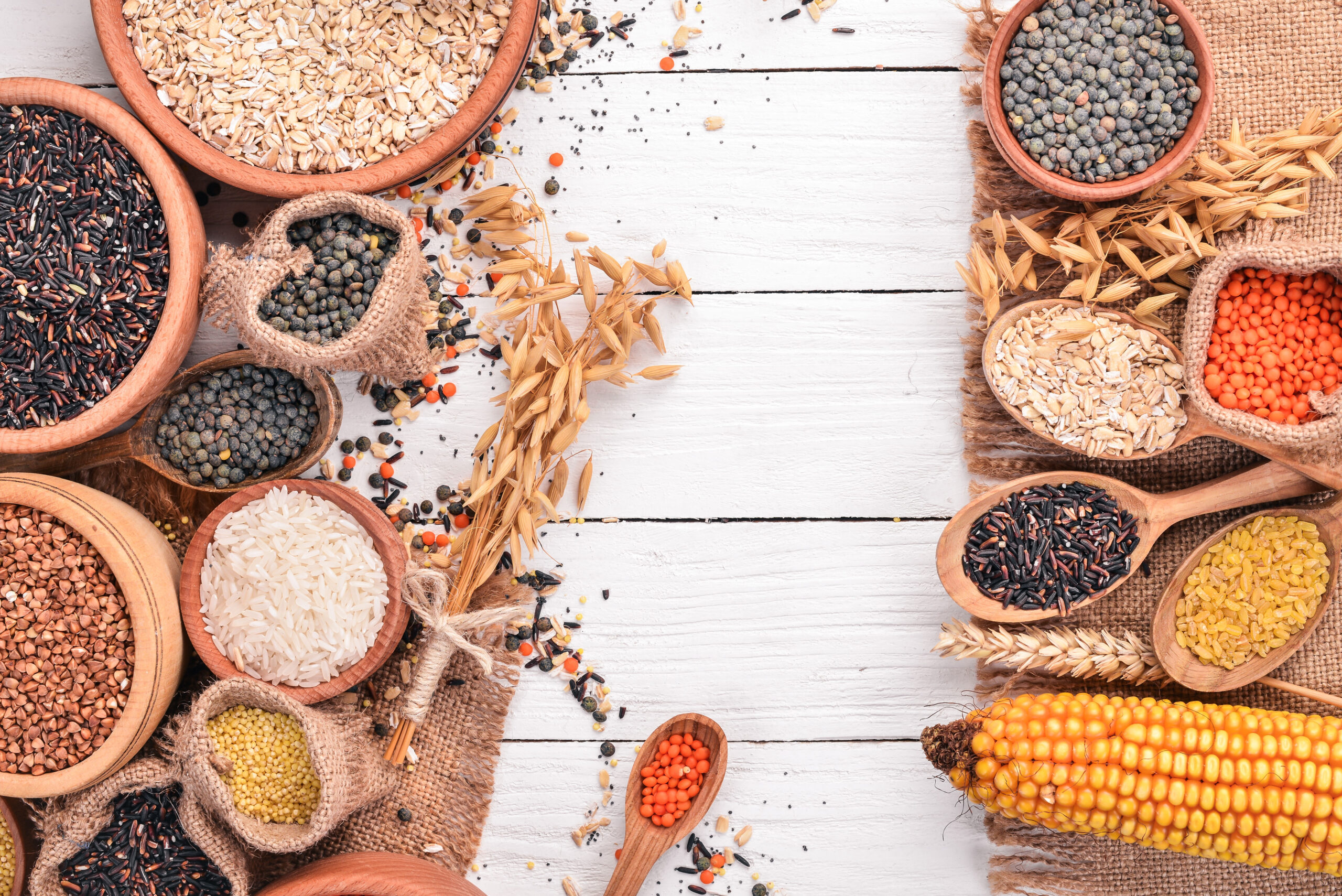
Grain foods both whole grain and refined make an important contribution to the nutrient intakes of Australians. However, their role in a healthy diet goes beyond merely the provision of…

Grains and grain foods are staples in the diets of cultures around the world, and have made an important contribution to daily nutrient requirements since cultivation began around 10,000BC. Their…
Grains, commonly referred to as ‘cereals’ or ‘cereal grains’, are the edible seeds of specific grasses belonging to the Poaceae (also known as Gramineae) family. Wheat, oats and rice are…