


Rice – Choose the right rice for you
Go Grains Health & Nutrition. The Grains and Legumes Health Report. Go Grains Health & Nutrition Ltd. 2010 Food Standards Australia & New Zealand. NUTTAB 2010 Online Searchable Database. Accessed…

Go Grains Health & Nutrition. The Grains and Legumes Health Report. Go Grains Health & Nutrition Ltd. 2010 Food Standards Australia & New Zealand. NUTTAB 2010 Online Searchable Database. Accessed…
Fardet A. New hypotheses for the health-protective mechanisms of whole-grain cereals: what is beyond fibre? Nutrition research reviews. 2010;23(1):65-134. Williams PG, Grafenauer SJ, O’Shea JE. Cereal grains, legumes, and weight…

Not all whole grain foods are the same. The whole grain content of foods can vary depending on the brand, serve size and ingredients used. For example, two slices of…

Grains are an important part of a healthy, balanced diet for most people. However, some people have conditions that require them to limit or avoid certain grain foods. Before cutting…
NHMRC. Australian Dietary Guidelines Providing the scientific evidence for healthier Australian diets. 2013 Accessed online January 2014. GLNC. Australian Grains and Legumes Consumption and Attitudinal Study: Project Gladius. Unpublished: 2014.…

Noto H, Goto A, Tsujimoto T, Noda M (2013) Low-Carbohydrate Diets and All-Cause Mortality: A Systematic Review and Meta-Analysis of Observational Studies. PLoS ONE 8(1): e55030. Madzima, T. A., et…
The revised Australian Dietary Guidelines were launched in February 2013 and continue to encourage Australians to eat a variety of grain foods as part of a healthy diet. The Australian…
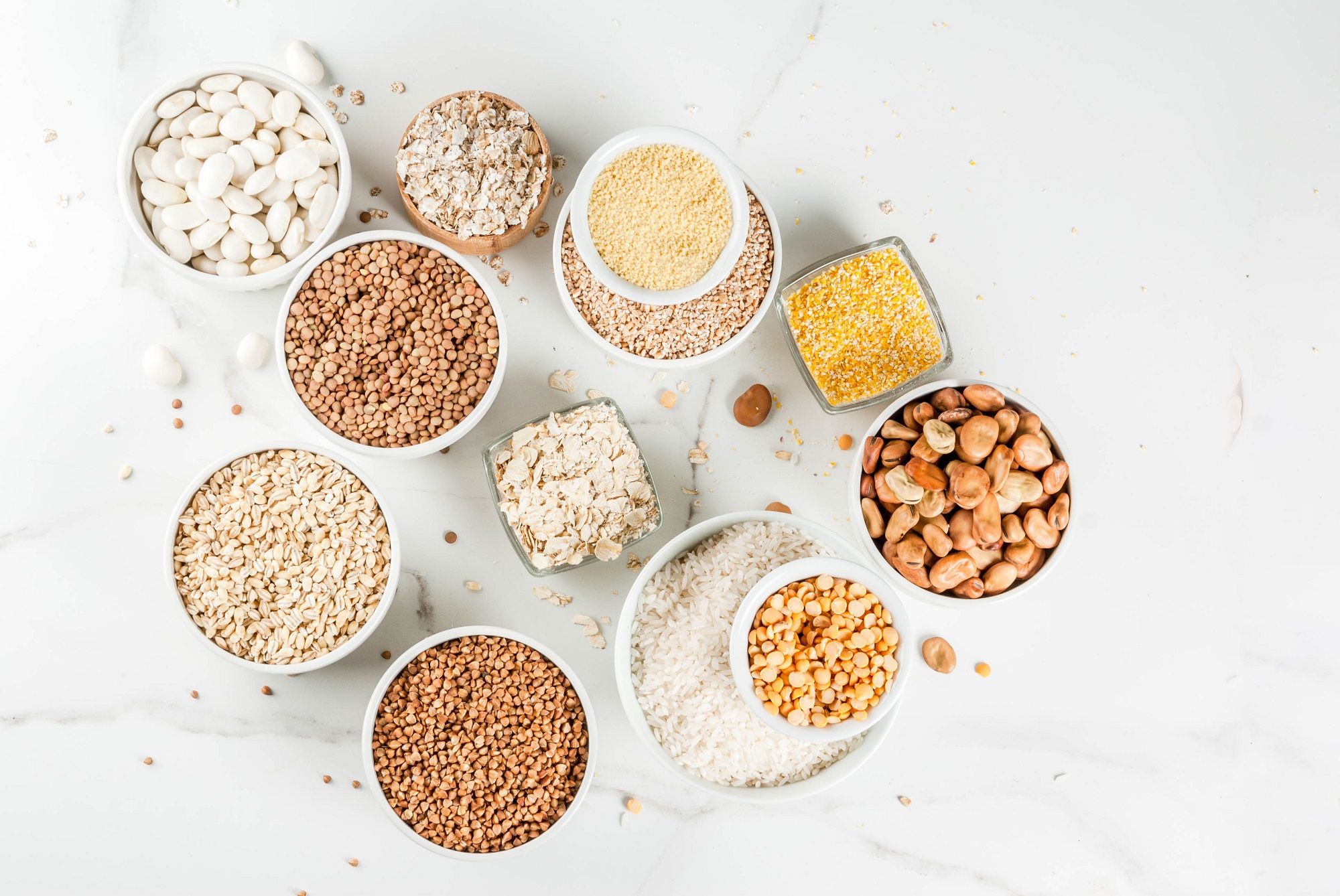
Of the developed nations, Australia is one of the most overweight, with more than 60% of adults and one in four children overweight or obese. The prevalence of overweight and…
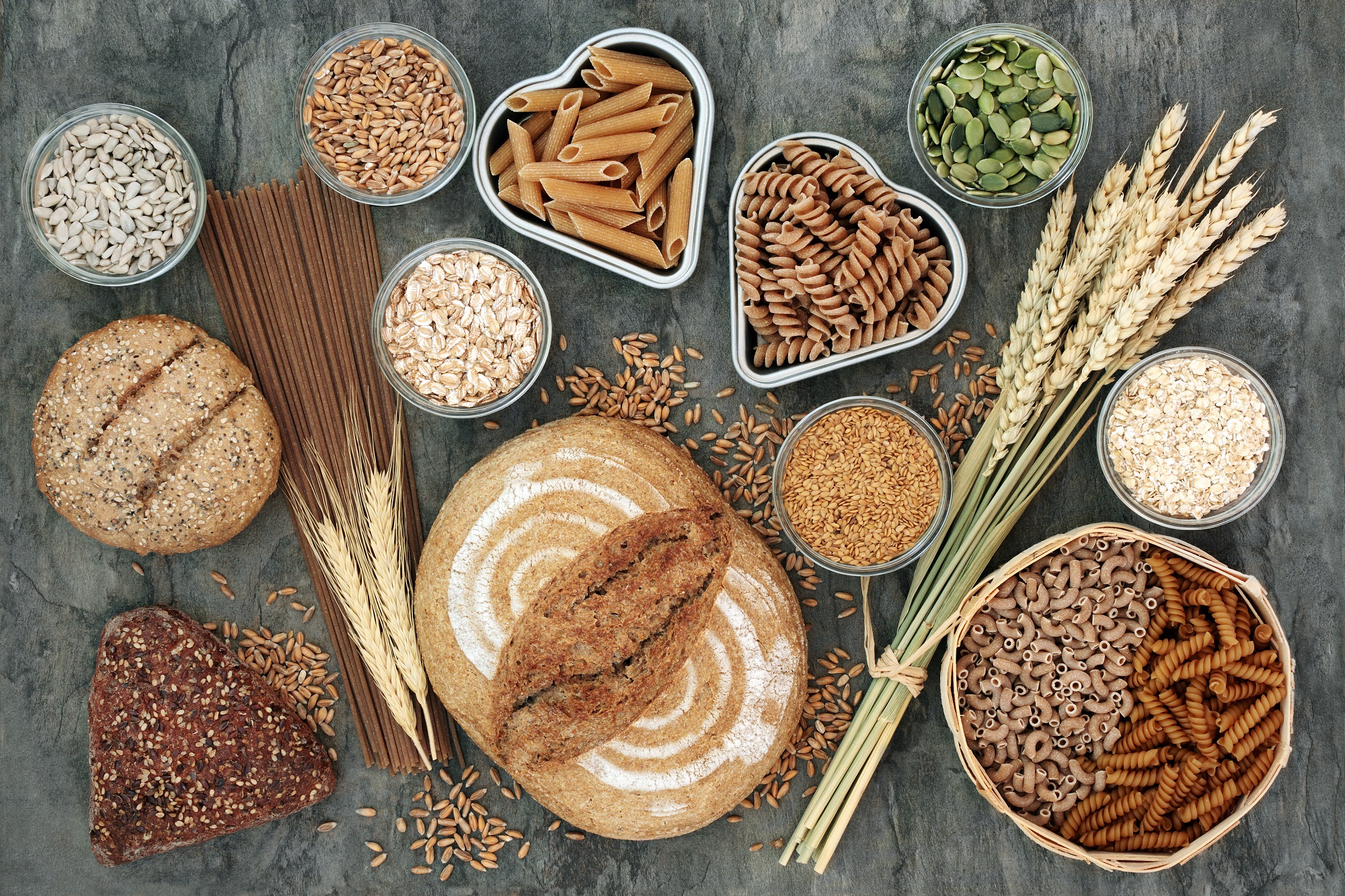
Diabetes is Australia’s fastest growing chronic health problem and accounts for 10.5% of all deaths in Australia. In 2017-18, total number of Australians with diagnosed diabetes was 1.2 million people,…
Cardiovascular disease encompasses heart, stroke and blood vessel diseases. Coronary heart disease, including heart attack and the chronic condition angina, is the leading cause of death in Australia accounting for…
There have been a number of reviews of the relationship between the consumption of whole grains and cancer risk which all conclude that whole grain foods are associated with lower…
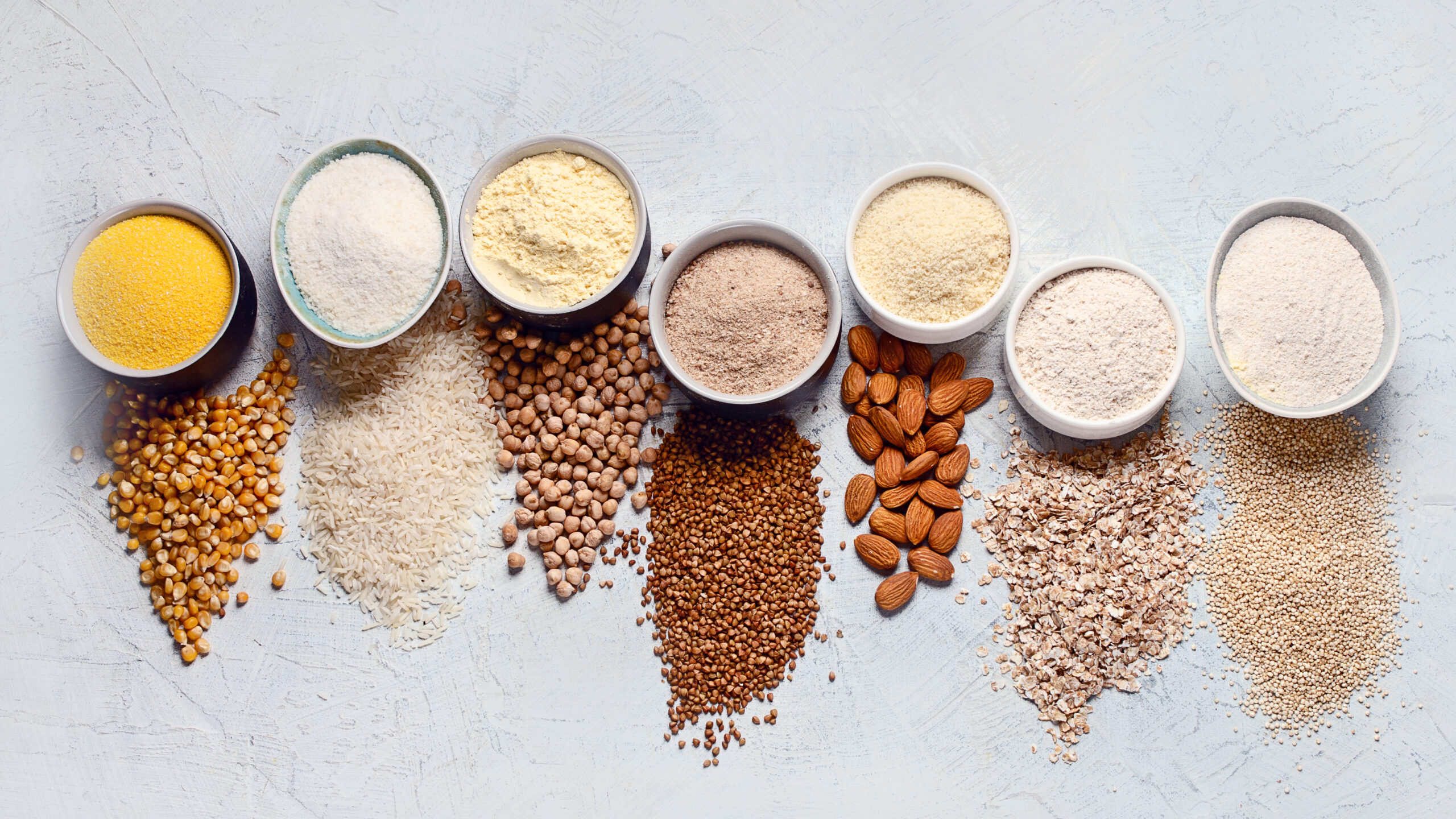
Gluten comes from the Latin word for ‘glue’ which gives dough the elastic property that holds gas when it rises. Bubbles of carbon dioxide are released from fermenting yeast, which…
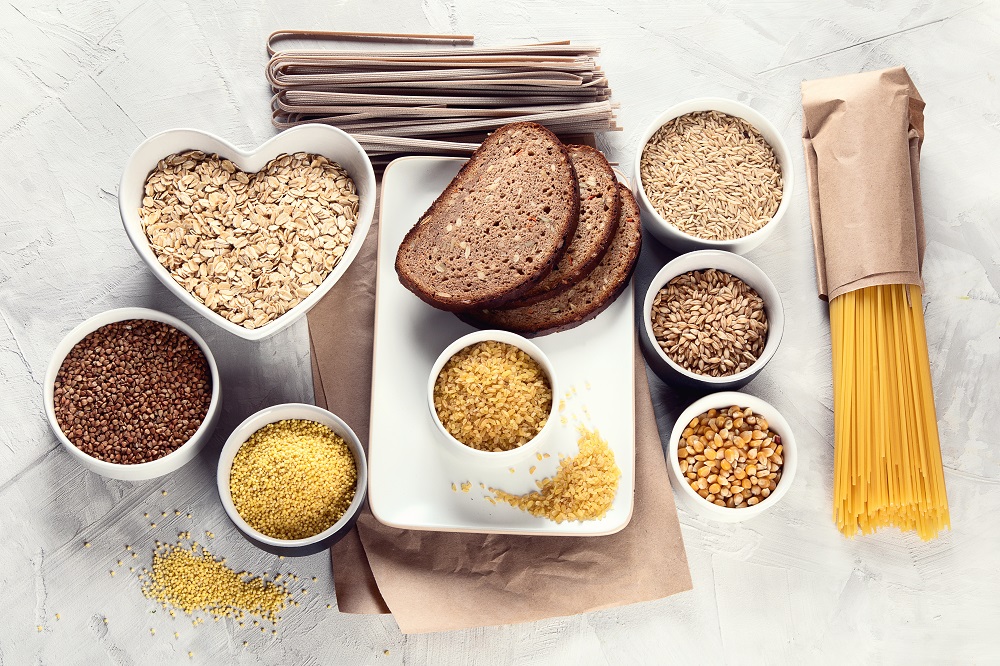
The glycemic index (GI) is used to rank carbohydrate-containing foods according to their effect on blood glucose levels after eating. Low GI foods are slowly digested and absorbed and so…
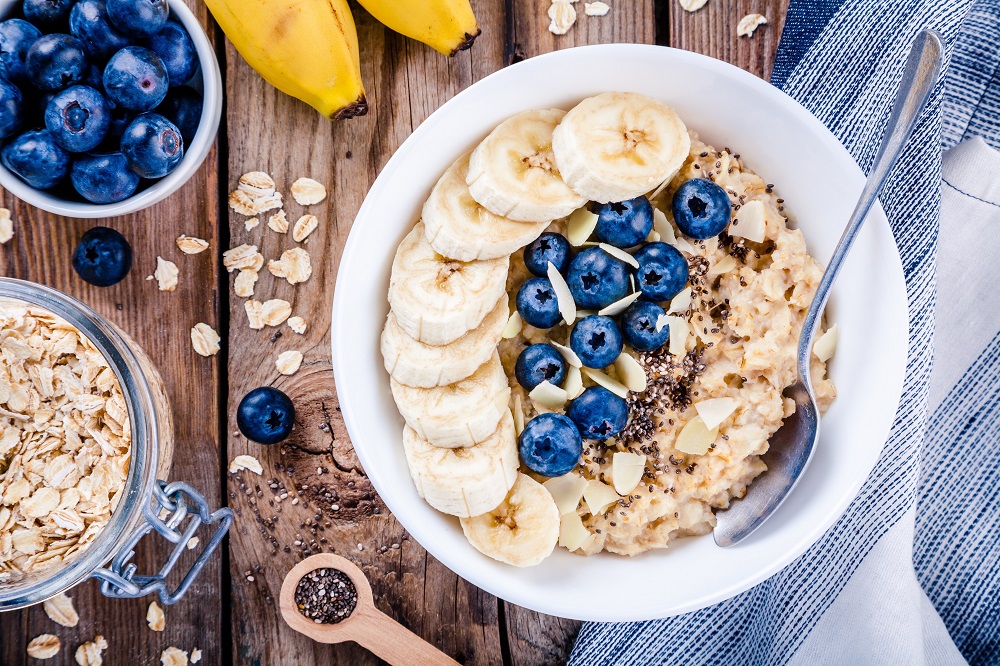
Grains, especially whole grains, contain a range of dietary fibres important for health and prevention of disease. These include: Soluble fibres such as: B-glucan (found in oats and barley) pentoses…

Refining grains removes varying proportions of the bran and germ. Because micronutrients are generally present in higher concentrations in these outer layers of the grain, refined grain products are lower…
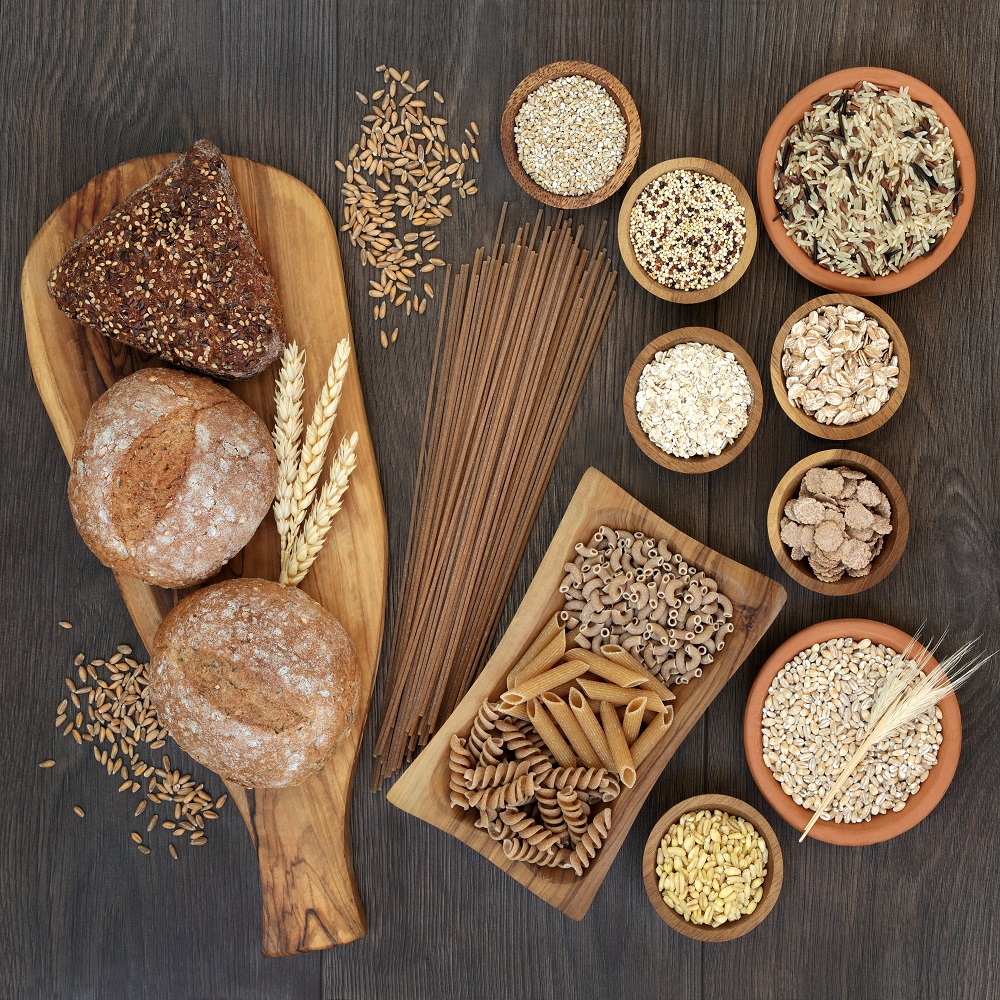
What are Whole Grains? Whole grains are the complete seeds of cereal plants. Each grain has three essential parts: When all three parts are present in their natural proportions, the…
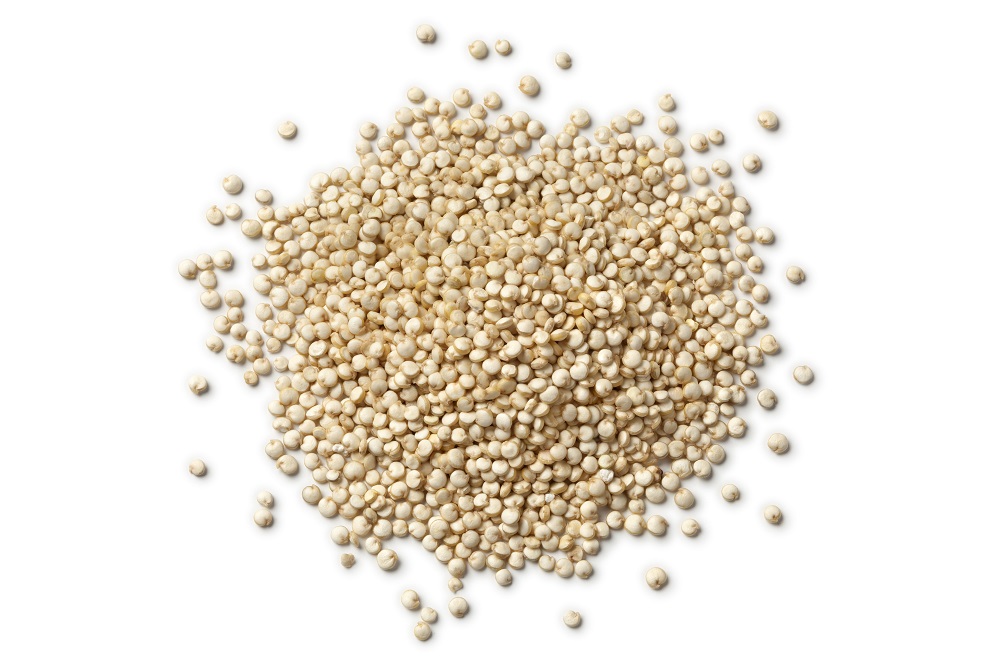
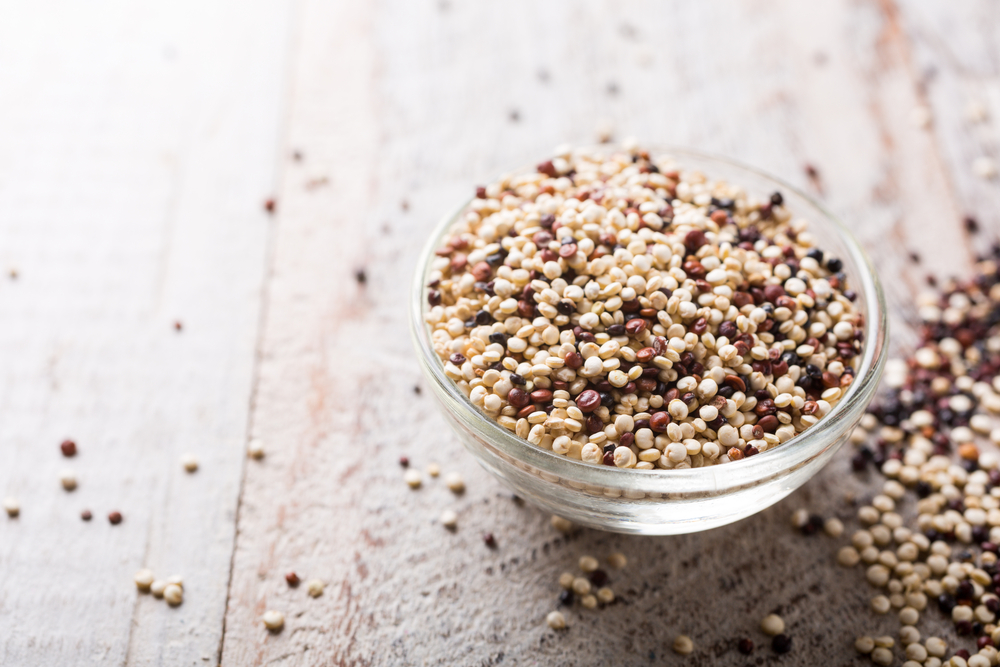
Similar to amaranth and buckwheat, quinoa (pronounced ‘keen-wah’) fits within the ‘pseudo-cereal’ group as it is not part of the Poaceae botanical family, in which ‘true’ grains belong. It’s loosely…
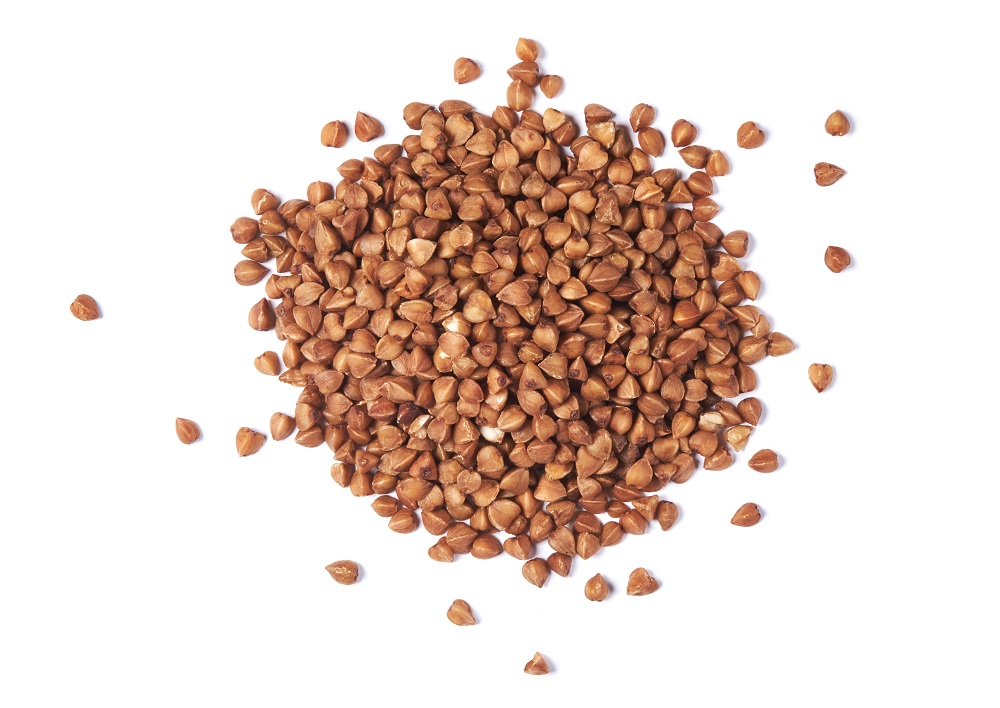
Not belonging to the Poaceae botanical family, buckwheat is not classified as a ‘true’ grain, but rather a ‘pseudo-cereal’. Its nutritional profile, nutty flavour, appearance and culinary applications have led…